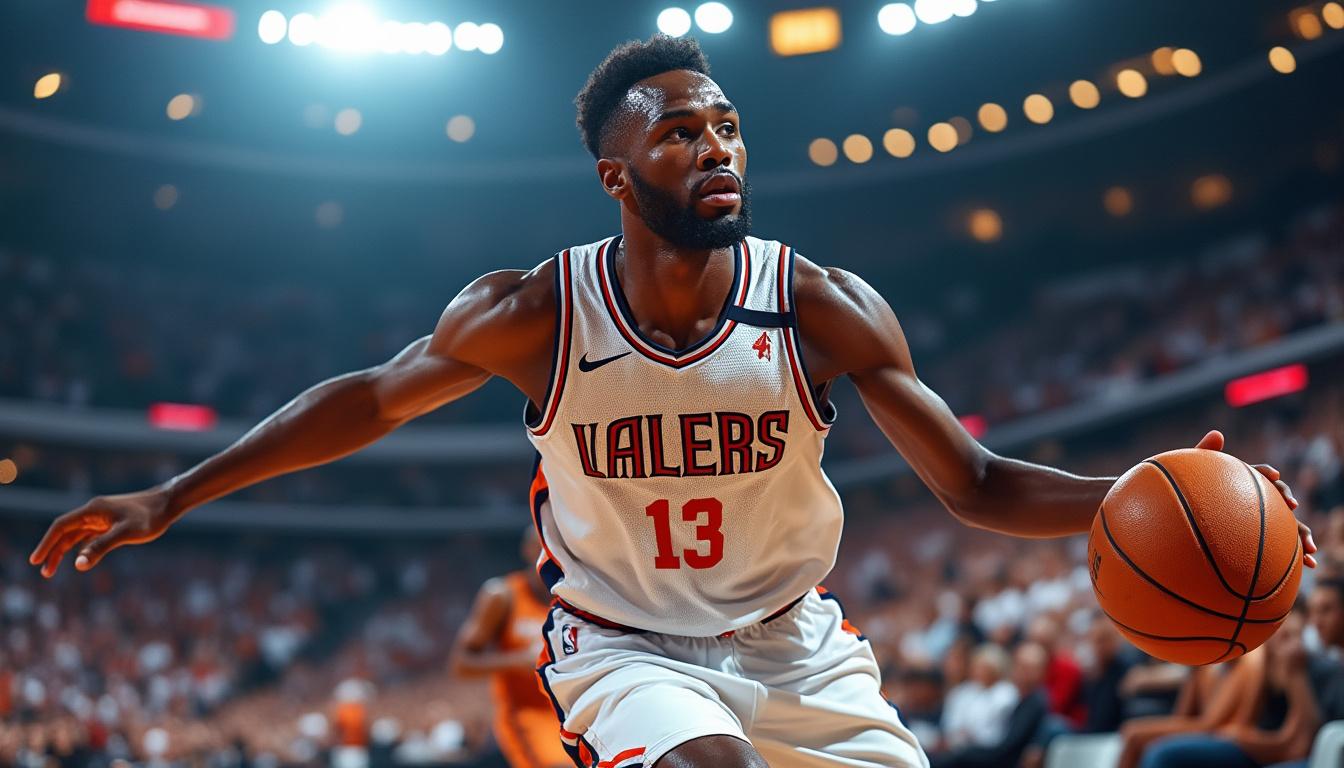
As December rolls in, the basketball world finds itself at a crucial juncture where the gap between true contenders and mere pretenders starts to crystallize. Across leagues, from the NBA to EuroLeague, the turn of the month sparks intense competition, heightened stakes, and evolving storylines that captivate fans and analysts alike. This is the phase where teams’ December form dictates trajectories, reshaping standings and defining rivalries with playoff implications looming large. Every possession counts, every injury matters, and every tactical adjustment can pivot the fate of hopeful franchises.
In a season filled with surprises and ups and downs, December acts as the ultimate proving ground. It’s the month where teams battle to cement their legitimacy or confront uncomfortable realities. As performances sharpen and physical demands peak, fans witness raw displays of resilience and strategy that underscore basketball’s thrilling unpredictability. From emergent stars stepping into leading roles to established squads striving to maintain dominance, this evolving landscape is rich with narrative depth and competitive fire.
December’s Role in Evolving League Storylines: The Crucible of Contenders and Pretenders
The month of December is more than just another block on the basketball calendar; it serves as an intense crucible where ongoing storylines gain definition. Each team’s December form—their performance consistency, ability to manage fatigue, and adaptation to opposition tactics—begins to tell a clearer story about their ultimate potential. This evolving dynamic is especially visible in leagues like the NBA, where standings tighten and the difference between home-court advantage and early playoff exits is razor-thin.
December’s intensity stems from a variety of factors. The accumulation of games creates physical and mental fatigue, testing benches and depth charts. Star players sometimes face injury risks that can alter the course of a season. Coaching strategies are more finely tuned, with teams experimenting or doubling down on approaches that can yield playoff success. The pressure from fans and media also mounts as early-season optimism gives way to tangible expectations.
For example, the tightness of certain divisions, such as the NBA’s Atlantic or the EuroLeague’s elite groups, highlights how December matchup results carry immense weight. The Chicago Bulls and the Los Angeles Lakers might be tied atop the standings, but every face-off adds layers to their rivalry, feeding fans’ anticipation and analysts’ debates. Meanwhile, teams languishing near the bottom are often facing the harsh reality of their pretender status, needing to reassess tactical identities or personnel decisions.
- High-intensity schedules press teams’ endurance and depth.
- Tactical innovations emerge as coaches adjust mid-season.
- Key injuries influence both individual and team performances.
- Rivalry games escalate in importance, often serving as early playoff previews.
- Emergence of breakout stars shifts team dynamics and media focus.
| League | December Importance | Typical Impact on Season |
|---|---|---|
| NBA | Tight playoff races intensify, player stamina tested | Standings solidify, separation of top teams from middle pack |
| EuroLeague | Critical for securing playoff seeds, managing international travel | Performance consistency reveals potential champions |
| College Basketball | Early tournament implications, player development | Teams identify contenders early, exposure of weaknesses |
The storylines evolving during December encapsulate not just the narratives emerging from wins and losses but from the strategic moves behind the scenes. Sacrifices made on the road, adjustments in rotations, and even the morale shifts after nail-biting buzzer-beaters shape how teams are perceived and how they will perform when the playoffs arrive.League updates highlight that staying ahead in December can set the tone for the entire postseason push.
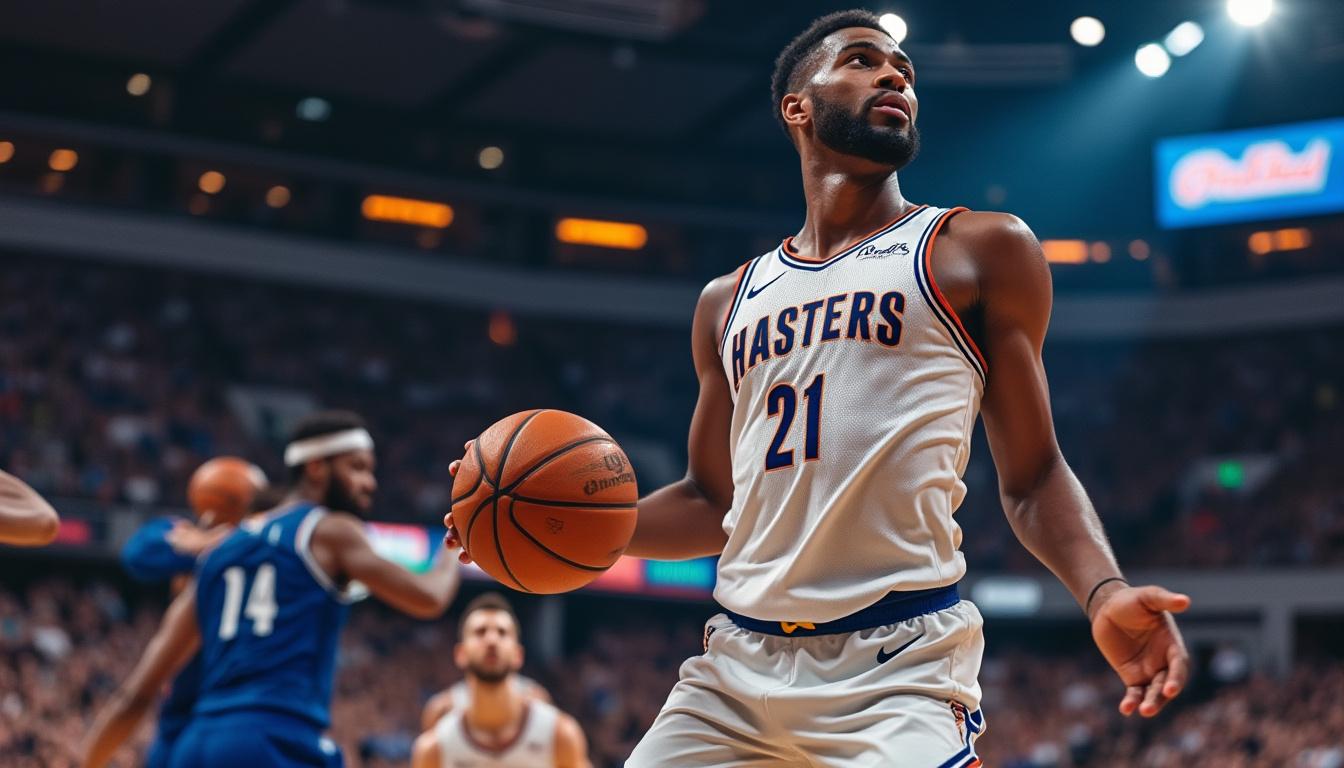
How December Form Separates Contenders from Pretenders Through Performance and Consistency
Consistency in December is the hallmark that most often differentiates talented teams from those who are merely riding early-season luck. In tight competitive environments where standings fluctuate regularly, the ability to maintain a high level of performance is critical. Teams proving their mettle exhibit balance: strong defense, efficient offense, and adaptability under pressure.
Consider the scenario in the European basketball circuit where squads juggle both domestic league duties and EuroLeague challenges. As the EuroLeague 2025/26 season preview points out, December marks a pivotal stretch. Clubs that manage to emerge with positive records in this period reveal the kind of stamina and mental toughness required to advance deep into postseason play. Conversely, teams struggling to maintain form risk slipping into the pretender category—a status confirmed by poor December showings.
On the stats front, teams that record minus or only marginal positive net ratings during December often find themselves falling behind in the overall league race. For instance:
- Teams posting a winning percentage above 65% often secure playoff spots and superior seedings.
- Groups falling below a .400 winning percentage during this critical phase face significant odds against postseason qualification.
- Those maintaining balanced player rotations tend to preserve health while maximizing output, a key advantage when pacing through dense December schedules.
Moreover, maintaining momentum following pivotal games is essential. A December victory against a top-tier rival doesn’t just boost standings—it often galvanizes fan support and cements team confidence. The psychological aftermath is potent. Teams that fall short risk damaging morale, often leading to a downward spiral in subsequent games.
| Team Type | December Performance Indicator | Typical End-of-Season Outcome |
|---|---|---|
| Consistent Performers | Winning streaks, strong road victories | Playoff contention, favorable seedings |
| Inconsistent Teams | Alternating wins and losses, home struggles | Wild-card or vulnerable playoff positions |
| Pretenders | Frequent losing streaks, significant roster disruption | Miss playoffs, front office changes likely |
Basketball fans eagerly track this widening gap, as it signals the emerging hierarchy within the league. The evolving standings amplify the drama with every game, pushing teams to reassess strategies or risk being left out of the postseason picture. Insights into these dynamics can be found in the detailed EuroLeague power rankings and real-time NBA performance analyses which reflect ongoing shifts in December form.
Impact of Injuries and Player Health on December’s Competitive Separation
December’s grueling schedule is uniquely unforgiving on player health, particularly around the basketball season’s most vital storylines. Top-tier teams often owe their December surge or stumble to the availability of key players. The quarterback analogy from football rings true: losing a star player to injury during this crucial stretch potentially derails an entire campaign.
For basketball, it’s the guards who often bear the brunt of physical wear, especially those in playmaking roles. Teams like the Houston Rockets and the Boston Celtics have recently faced questions about the readiness of their floor generals after injury setbacks. The NBA injury updates highlight the fragility of December rosters, where a single minor incident can ripple into weeks of uncertainty.
Player health also dictates tactical flexibility. Coaches forced to sit star players must rely on bench depth and younger talents, altering rotations and sometimes adopting riskier strategies. This can redefine the competitive balance, turning December into a revealing battlefield between teams equipped for adversity and those exposed by thin rosters.
- Key injuries frequently cause shifts in momentum.
- Teams with deep benches have a significant advantage in sustaining December form.
- Player load management strategies gain prominence to preserve health for playoffs.
- Recovery times during this month are critical for team’s long-term success.
- Psychological impact of injuries influences team morale and confidence.
| Injury Impact | Effect on Team Performance | December Strategy Adjustments |
|---|---|---|
| Star Player Out | Reduced offensive efficiency, leadership gap | Increased bench usage, conservative offense |
| Multiple Injuries | Rotation instability, inconsistent defense | Risky lineup experiments, focus on fundamentals |
| Minor Injuries Managed | Potential performance dips, cautious play | Load management, selective game rest |
Facing these challenges, teams that develop robust medical and recovery protocols emerge as December contenders. Those failing to do so often reveal themselves as pretenders, unable to navigate the calendar’s punishing demands. International leagues, with their additional travel and game load – as shown in discussions around NBA and Europe cooperative initiatives – underscore these health challenges more acutely.
Climactic Rivalries and Matchups Defining December’s Separations
The heat of December competition is enlivened by long-standing rivalries and emergent high-stakes matchups, crucial in defining which teams are genuine contenders or merely pretenders. Each game assumes amplified importance, echoing playoff atmospheres and forcing teams to elevate performance. These rivalries often carry historical weight and fan passion, providing dramatic backdrops to evolving league narratives.
Through December, key matchups act as checkpoints where teams measure up against peers chasing the same postseason goals. For instance, clashes between the Philadelphia 76ers and Brooklyn Nets have become marquee events, with playoff seeding implications resting on their outcomes. Similarly, EuroLeague contests between powerhouse squads deliver double-duty excitement by simultaneously influencing domestic standings.
- Game outcomes impact momentum and standings simultaneously.
- Rivalries intensify player focus and fan engagement.
- Showcase opportunities for breakout stars on competitive stages.
- Media spotlight increases pressure but also draws global attention.
- Strategic adjustments often hinge on rival matchup results.
| Rivalry | Teams Involved | Significance | Impact on December Standings |
|---|---|---|---|
| Atlantic Division Showdown | Boston Celtics vs. New York Knicks | Determines division leadership and playoff positioning | Frequently tight games sway standings in favor of winner |
| EuroLeague Elite Battle | Real Madrid vs. CSKA Moscow | Key playoff seeding implications and European bragging rights | Winner gains psychological edge in group stage |
| Western Conference Clash | Golden State Warriors vs. Los Angeles Clippers | Important for wild-card and seed positioning in playoffs | Often a momentum boost impacting following games |
Tuning into the evolving narratives requires an eye for the nuances behind each contest’s significance, from adjustments in rotations prompted by rivalry intensity to the emotional swings of fan bases reacting to each win or loss. The comprehensive look at women’s EuroLeague surprises also sheds light on how this phenomenon transcends gender and highlights the universal nature of these December defining moments.
Strategic Adaptations and Coaching Influence in December Separations
Coaches sharpen their strategies as December unfolds, using this pivotal period to test lineups, discover hidden strengths, and address weaknesses that have become apparent through the evolving competition. The difference between a savvy coaching staff and a less adaptable one can be a defining factor separating contenders from pretenders.
In an era of advanced analytics and scouting depth, coaches increasingly rely on data-driven decisions to manage player minutes, select defensive matchups, and design plays that maximize efficiency. For example, implementing zone defense against high-scoring teams or prioritizing transition offense during tight stretches can swing game results in critical December fixtures.
- Rotation tinkering balances player rest and peak demand.
- In-game adjustments create momentum shifts.
- Tailored game plans address specific opponent weaknesses.
- Psychological coaching maintains team resilience under pressure.
- Use of emerging technologies for performance tracking improves decisions.
| Coaching Strategy | Typical Application in December | Effect on Team Outcomes |
|---|---|---|
| Load Management | Strategically resting players on back-to-back games | Improved player health, sustained season-long performance |
| Defensive Schemes | Adaptive zone or man-to-man defenses tailored to opponents | Disrupts opponent rhythm, increases turnovers |
| Offensive Adjustments | Incorporating pick-and-roll variations or fast breaks | Creates scoring opportunities, counters defensive setups |
These adaptations underscore why December is not simply a physical battle but an intellectual one where coaching prowess magnifies player abilities and team chemistry. Observers seeking a deeper understanding can explore detailed analyses like those found in early EuroLeague key matchups coverage or follow the latest tactical trends shaping league-wide performances.
The month’s evolving narratives fuel anticipation and spark debates that enliven the basketball community. As December continues to separate contenders from pretenders, fans can expect electrifying basketball, strategic masterclasses, and stories that will define the 2025 season.
Why is December considered a turning point in basketball seasons?
December marks the beginning of the critical second half of basketball seasons where teams face more games, greater fatigue, intensified competition, and increased stakes. It often determines which teams have the consistency and depth needed to contend for playoffs.
How do injuries typically influence December form and team performance?
Injuries to key players can drastically affect team chemistry, bench strength, and tactical options. December’s dense schedule often magnifies the impact of lost players, forcing teams into rotation adjustments that influence wins and losses.
What role do coaching strategies play during December?
Coaches use December to refine tactics, manage player loads, and adapt to opponents’ styles. Their decisions in rotations, playcalling, and psychological preparation are vital for maintaining form when competition intensifies.
How are the league standings affected by December performances?
Standings become more volatile and meaningful in December as teams cluster tightly. Wins against strong opponents can lead to significant leaps, while losses may plunge teams into pretender territory, making every game crucial for playoff prospects.
Where can fans follow evolving basketball storylines and league updates in 2025?
Fans can visit platforms such as Basketball Smarts which provide comprehensive coverage including NBA injury updates, EuroLeague analyses, power rankings, and detailed previews to stay updated on evolving league narratives.