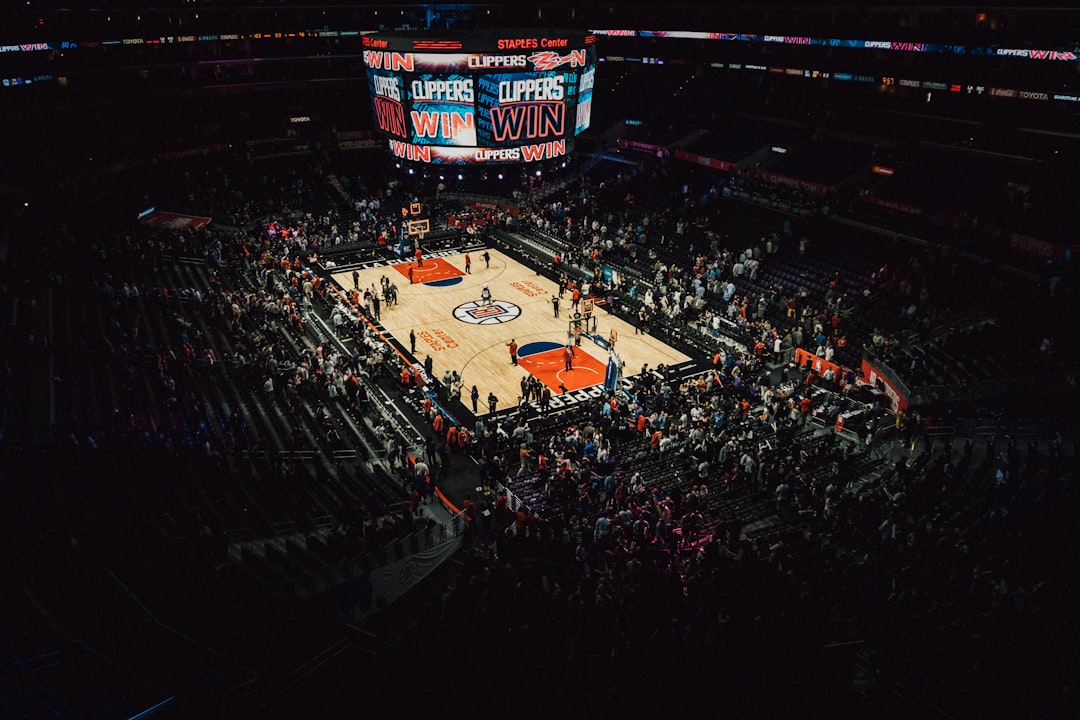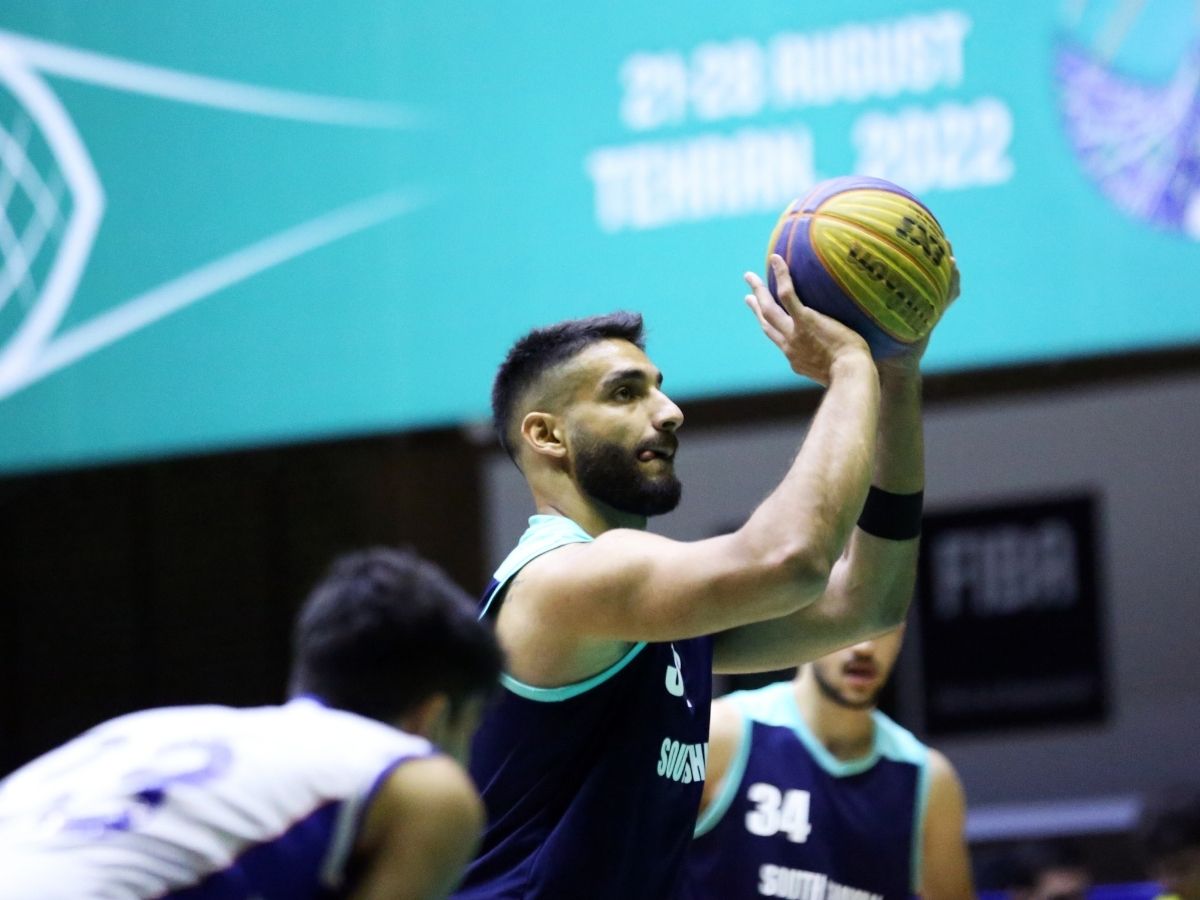
The basketball world is ablaze with excitement as the NBA announces ambitious plans to launch a groundbreaking European league in partnership with the International Basketball Federation (FIBA). This potentially transformative initiative seeks to tap into Europe’s vibrant sports culture, particularly leveraging the continent’s passion for soccer to elevate basketball’s profile. Expected to kick off by 2027 or 2028, the league promises to integrate established basketball clubs with iconic soccer teams, aiming to reshape the European basketball landscape and offer fans thrilling new competition sets while bridging local traditions with global appeal.
The proposed 16-team league will feature 12 permanent members, drawing from varied basketball heartlands across Europe—from the fervent basketball communities of Eastern Europe to key urban centers with established soccer clubs eager to expand into other sports. This strategic blend is designed to foster cross-sport fan engagement, energize diverse markets and capitalize on an estimated $20 billion sports media market in Europe that basketball has only begun to penetrate fully. The integration of this league within the existing basketball ecosystem, alongside the EuroLeague and national competitions, offers a delicate balancing act to excite fans and maintain traditional loyalties.
Behind the scenes, NBA Europe head George Aivazoglou emphasizes a vision both rooted in tradition and innovation. By incorporating a mix of historic basketball teams, powerful soccer brands like Real Madrid and Paris Saint-Germain, and even entirely new franchises, the league envisions a captivating basketball product that remains authentically European and competitive. With personalization in broadcasts, gamified viewer experiences, and prospective connections to major global sponsors like Spalding, Nike, Adidas, Wilson, Jordan Brand, Gatorade, and Tissot, the NBA-FIBA collaboration promises to revolutionize how basketball fans in Europe and beyond consume the game.
The Emerging Structure of the NBA-FIBA European League: Diverse Teams and Market Dynamics
The formation of the NBA-FIBA European league is guided by a carefully curated team structure that blends tradition, innovation, and geography. The league is expected to feature three core types of teams:
- Established basketball clubs: Teams with storied histories and deep fanbases, such as Real Madrid and Olympiacos, well-known EuroLeague participants.
- Soccer clubs expanding to basketball: Iconic soccer brands with extensive infrastructure and global reach like Paris Saint-Germain, Manchester City, and Barcelona, venturing into basketball to diversify their multi-sport offerings.
- New basketball franchises: Emerging teams created to invigorate fresh markets or cities focusing solely on basketball, potentially in locations like London or Berlin.
This hybrid model ensures a dynamic blend of fan engagement, as soccer’s massive European following intersects with basketball’s rapidly growing popularity. According to NBA Europe’s George Aivazoglou, soccer clubs bring centuries-old brand value and globally recognized fan bases, which will be pivotal in accelerating the growth of basketball fandom and commercial potential.
Broadly speaking, Western European cities, especially capitals such as Paris, London, Berlin, Manchester, and Rome, are particularly attractive for commercial expansion. The UK, for instance, despite basketball being the second-most-played team sport, has been notably absent from the EuroLeague since the early 2000s. Reviving basketball in such markets through the joint league holds immense promise for the sport’s growth, although challenges remain in aligning basketball’s identity with entrenched soccer loyalties.
Furthermore, integrating teams into a league with transparent qualification routes is a central goal. Unlike the closed EuroLeague system—where 12 clubs enjoy permanent “A” licenses, limiting opportunities for others—this new league aims to incorporate promotion/relegation-like mechanisms inspired by European soccer, allowing “Cinderella stories” and helping smaller clubs dream big. This could restore vibrant competition dynamics between domestic leagues and continental tournaments, a welcomed change highlighted by basketball enthusiasts and insiders alike.
| Team Type | Examples | Key Attributes | Role in League |
|---|---|---|---|
| Established Basketball Clubs | Real Madrid, Olympiacos, Barcelona | Deep local roots, EuroLeague veterans, loyal basketball following | Core league members providing competitiveness and tradition |
| Soccer Clubs Venturing into Basketball | Paris Saint-Germain, Manchester City | Global brand recognition, large fan bases, multi-sport expertise | Expanding league appeal and market cross-promotion |
| New Franchises | Potential London, Berlin teams | Fresh markets, basketball-focused entities, innovation potential | Innovators targeting new fans and cities |
NBA-FIBA collaboration also seeks to harmonize scheduling, broadcasting, and fan engagement strategies with the existing European basketball calendar and leagues like the EuroLeague and EuroLeague Women 2025-26. The goal is not to supplant but to enrich the fan experience, offering varied storylines and rivalries across Europe’s diverse basketball ecosystems.

Capitalizing on Europe’s Sports Culture: The Soccer-Basketball Fusion Strategy
Europe’s sporting landscape is dominated by soccer, a fact the NBA intends to leverage strategically. By embedding basketball within the existing multi-sport ecosystems of prominent soccer clubs, the new league aims to transfer fan energy and commercial momentum into basketball.
Clubs such as Paris Saint-Germain, Real Madrid, and Barcelona are prime candidates to spearhead this fusion. These clubs not only command massive fanbases worldwide but also have extensive experience managing multi-sport teams, which smooths operational integration. For instance, Paris Saint-Germain’s reported discussions with NBA Europe about launching a basketball team within their portfolio signal clear intent to bridge these sports.
Soccer clubs bring multiple advantages:
- Brand Synergy: Leveraging global recognition to drive attention toward basketball.
- Operational Expertise: Established arenas and marketing teams streamline basketball team logistics.
- Fan Base Activation: Season ticket holders and merchandising customers provide ready-made support networks.
- Commercial Partnerships: Access to sponsors like Nike, Adidas, Gatorade, and Spalding that already back both sports.
This borrowing of soccer’s fan culture is not without challenges. The degree to which soccer fans will identify with basketball teams beneath the same brand varies by region and club commitment level. Nonetheless, this model has shown promise elsewhere, such as in Spain and Greece, where multi-sport clubs are longstanding traditions.
Looking at cities like London, where basketball has a growing grassroots following but lacks a prominent professional team, completely new basketball brands might be introduced, further diversifying the league’s identity. This flexibility adds layers of intrigue and potential for grassroots connection that differentiates Europe’s approach from the more corporate NBA system in the U.S.
The NBA’s collaboration with FIBA also reflects lessons learned from different markets. The league understands that a multi-faceted approach—blending tradition, innovation, and localization—is crucial to expansion success, reinforcing that Europe’s basketball future must feel native while attracting a global fanbase through advanced broadcasting, personalized streams, and interactive digital experiences.
| Soccer Club Feature | Benefits to League | Potential Challenges |
|---|---|---|
| Global Brand Recognition | Instant high visibility, media attention, merchandise sales | Brand dilution risk if basketball performance lags |
| Multi-Sport Management Experience | Operational efficiencies, fan loyalty management | Potential resource competition between sports divisions |
| Existing Arena Facilities | Reduced startup costs, ready venue availability | Scheduling conflicts with soccer fixtures |
| Entrenched Fan Base | Cross-promotion opportunities, existing revenue streams | Fan engagement varies; basketball may be a secondary priority |
NBA-FIBA European League’s Impact on Player Development and Talent Retention
One of the most compelling aspects of this emerging league is how it could influence European basketball talent and player careers. Currently, top European players often aspire to join the NBA, seen as the pinnacle of professional basketball worldwide. However, the new league could serve as an elite alternative, retaining emerging stars and helping close the competitive gap.
Basketball Europe boasts a rich foundation of passionate fans and a style grounded in physicality and team play. The NBA-FIBA league plans to preserve this authenticity while increasing exposure and commercial viability. As George Aivazoglou notes, the league is “not about changing the tradition of how the game is played,” but instead innovating to attract newer generations through personalization, streaming options, and engagement layers like gaming and avatar-centric broadcasts.
Moreover, professional incentives are poised to improve. Today, European clubs battle significant challenges in monetizing their fanbases and securing funds to keep their best talents. American colleges’ NIL (Name, Image, Likeness) deals have created new competition in talent acquisition, drawing young players across the Atlantic. The NBA-FIBA league aims to reverse this by:
- Increasing club revenues through enhanced media rights, partnerships with global brands like Jordan Brand, Nike, Adidas, and innovative sponsorships from companies such as Gatorade and Tissot.
- Offering clearer career pathways with competitive salaries and enhanced visibility at home, reducing premature player migration.
- Creating exciting competitions with a transparent qualification system allowing Cinderella stories and fan engagement.
These efforts could shift the basketball ecosystem by making Europe a more attractive competitive market. This is especially relevant given the growing audiences for EuroLeague games — with over three million total spectators at games last season and an average attendance surpassing 10,500 fans per match. Key stars like Luka Dončić have shown that European talent can captivate global fans long before reaching the NBA.
| Player Development Challenge | NBA-FIBA League Solution | Expected Outcome |
|---|---|---|
| Talent Drain to the U.S. | Improved salaries and market opportunities | Retention of star prospects in Europe |
| Limited Exposure/Commercialization | Advanced digital content and sponsorship | Increased fan engagement and revenue streams |
| Unclear Qualification Paths | Transparent league qualification inspired by soccer | More competitive and inspiring leagues |
For further updates on players’ performances and injuries linked with this development, readers can turn to comprehensive coverage such as VanVleet out for 2025-26 ACL and Tyler Herro surgery news, which spotlight how player health remains a critical factor for the sport’s ecosystem.
Broadcast Innovation and Fan Engagement in the NBA-FIBA European League
Broadcasting is a keystone of the NBA-FIBA European league’s strategy to captivate fans far beyond traditional arenas. By integrating cutting-edge technology with tailored content, the league expects to set new standards in sports media.
The league’s approach includes:
- Multi-language streaming options, ensuring accessibility across Europe’s diverse linguistic landscape.
- Personalized viewing experiences, with separate streams catering to tactical fans, casual viewers, betting enthusiasts, and sneaker culture followers.
- Gamification and virtual avatars, which introduce interactive elements to broadcasts, enticing younger viewers accustomed to gaming and digital immersion.
- Collaborations with top brands such as Jordan Brand, Wilson, and Spalding to develop exclusive merchandise and event activations.
The ultimate goal is to engage not only hardcore basketball devotees but also casual sports fans and new generations whose media consumption preferences have evolved. Given Europe’s substantial basketball fanbase of 270 million, currently generating less than one percent of the $20 billion sports media market, these innovations could unlock massive potential.
Moreover, partnerships with iconic sponsors like Nike, Gatorade, and Tissot are expected to amplify the league’s reach, leveraging product placements and branding integrations to enhance the fan experience both live and online.
| Broadcast Feature | Purpose | Impact on Fan Engagement |
|---|---|---|
| Multi-language Streams | Reach wider audiences across Europe | Higher inclusivity and fan loyalty |
| Personalized Streams | Tailor content to fan preferences | Enhanced viewer satisfaction and retention |
| Gamification and Avatars | Increase interaction and entertainment | Engages younger demographics and digital natives |
| Brand Collaborations | Boost sponsorship revenues and cross-promotion | Stronger economic ecosystem and fan merchandise sales |
Those interested in following the continuous evolution of European basketball’s new chapter may find thorough analysis and previews on sites such as Early EuroLeague Key Matchups and insights on rising talents and transfer moves on BasketballSmarts.com.

Integrating Tradition and Innovation: Challenges and the Road Ahead for NBA-FIBA Europe
A partnership of the NBA and FIBA’s magnitude invites excitement but also critical challenges. Merging the NBA’s business and marketing dynamism with Europe’s unique basketball heritage requires delicate navigation of existing structures and fan emotions.
The EuroLeague’s semi-closed structure, with a limited number of permanent teams, has nurtured a fiercely loyal fanbase. NBA’s ambitions to introduce a more transparent qualification system imply possible disruption. EuroLeague CEO Paulius Motiejūnas has expressed openness to collaboration but remains cautious, emphasizing that “we don’t need a new league” yet remain receptive to NBA investment to grow European basketball collectively.
Another hurdle is the risk of market saturation. Europe already hosts multiple basketball competitions — domestic leagues, the EuroLeague, EuroCup, and national cups — and inserting a major new league means balancing the calendar and avoiding fan fatigue. Moreover, soccer’s cultural primacy means basketball must work extra hard to carve space within passionate local support systems.
Former NBA and EuroLeague coach Nick Nurse’s experience in England underscores the potential for success: with NBA backing, a league immediately gains credibility and media traction, which other leagues often struggle to generate. This could translate into increased advertising, broadcast deals, and fan enthusiasm, provided the league respects local nuances and traditions.
- Challenges confronting the new league: balancing tradition and innovation, scheduling conflicts, fanbase integration, market saturation.
- Opportunities: expanded market reach, talent development, innovative broadcasting, commercial growth.
- Key considerations: partnership dynamics between NBA, FIBA, EuroLeague, and national federations.
| Challenge | Potential Impact | Mitigation Strategies |
|---|---|---|
| EuroLeague Competition | Fragmentation of fanbase and market | Collaboration and shared investment opportunities |
| Calendar Overlap | Player fatigue, scheduling conflicts | Coordinated scheduling, flexible season planning |
| Fan Identification | Potential divided loyalties | Community engagement and grassroots initiatives |
One thing remains clear: this partnership harnesses the unparalleled marketing prowess of the NBA combined with FIBA’s international legitimacy. Together, they aim to deliver an innovative, engaging, and sustainable basketball ecosystem tailored for modern European audiences and beyond. It’s a bold effort to unite basketball’s rich past with a roaring future, where global legends and local heroes can thrive side by side.
Frequently Asked Questions About the NBA-FIBA European League
- Q: When is the NBA-FIBA European league expected to start?
A: The league aims for a launch around 2027 or 2028, with ongoing preparations and partnerships currently underway. - Q: How many teams will participate in the league?
A: The plan is for a 16-team league, including 12 permanent members from established basketball and soccer clubs, plus several new franchises. - Q: How will this new league affect the existing EuroLeague?
A: While competition may increase, there is ongoing dialogue between the NBA, FIBA, and EuroLeague about collaboration and investment to grow European basketball together. - Q: Will top European players remain in this league or move to the NBA?
A: While top talent will still likely move to the NBA, the league hopes to retain emerging stars longer by offering competitive salaries and exposure. - Q: How will fan engagement be enhanced in this new league?
A: By offering personalized broadcasts in multiple languages, gamified experiences, and partnerships with global brands like Jordan Brand, Nike, and Adidas, making the game more accessible and entertaining.