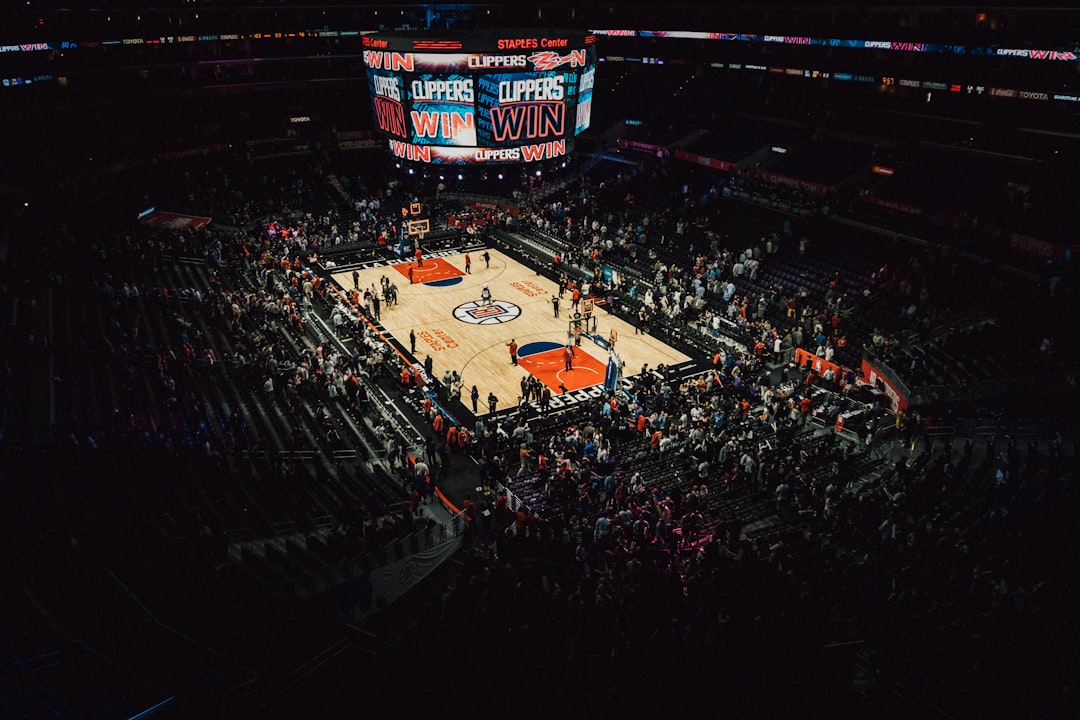
The 2025 NBA season’s coaching debuts between October 21 and 26 have already begun reshaping fans’ expectations and narratives across the league. This pivotal week revealed much more than just win-loss records; it cast light on coaching philosophies, player-coach chemistry, and strategic nuances evolving on the sidelines. From the bright lights of New York’s Madison Square Garden to the fast-paced atmospheres of Phoenix and Denver, the eyes of basketball enthusiasts have been fixed not only on the court but also on the men guiding these rosters into uncharted waters. The transitions of legendary franchises like the Knicks, Spurs, and Nuggets towards new leadership demonstrate an intricate balance between promising talent and the daunting pressure to deliver championships. Meanwhile, new appointments in smaller markets like Memphis and Sacramento unveil fresh stories of hope, resilience, and tactical innovation in a league where the coaching carousel spins relentlessly.
Understanding these debuts requires diving into the unique challenges and advantages faced by each coach as they take the reins. The pressure on two-time Coach of the Year Mike Brown, now at the Knicks, exemplifies the high stakes of NBA leadership, amplified by New York’s historical thirst for a championship. Conversely, on the Suns’ bench, Jordan Ott’s creative approach must navigate a roster undergoing major transitions under financial constraints while blending youthful exuberance with veteran savvy. Denver’s promotion of David Adelman points to organizational faith in continuity amidst a stacked roster led by the incomparable Nikola Jokic. Meanwhile, in San Antonio, Mitch Johnson steps into the gargantuan shoes of Gregg Popovich, managing the delicate balance between nurturing young phenoms and adjusting to a smaller market’s realities. The arrival of Tuomas Iisalo in Memphis and Doug Christie’s interim tenure in Sacramento further illustrate the diverse paths and demands coaching new franchises present in this dynamic era of basketball.
The significance of these coaching debuts transcends the immediate outcomes on the scoreboard. These new leaders inject fresh tactical schemes that ripple through systems, from offense and defense to player development and locker room culture. Observers have already noted shifts in three-point shooting philosophies, pace adjustments, and defensive coverages — all crucial components for a team’s identity in the 2025 NBA landscape, influenced heavily by evolving analytics and trends. Brands like Nike, Adidas, and Under Armour continue to partner with teams for outfitting these star-studded rosters, emphasizing the blend of tradition and modernity on and off the court. As the week unfolds, these strategic shifts, combined with player reactions and adjustments, will refine expectations and fuel narratives leading into a challenging midseason stretch.
- Mike Brown’s Knicks face immense pressure but command a roster ripe for contention with stars Brunson and Towns.
- Phoenix Suns’ Jordan Ott navigates instability and financial constraints while integrating new young talents.
- Denver promotes David Adelman, betting on continuity to maximize Nikola Jokic’s prime years.
- Mitch Johnson officially leads Spurs amid high expectations and legacy challenges.
- Memphis and Sacramento embrace bold new coaches in Iisalo and Christie, signaling rebuilds with competitive cores.
New York Knicks: Balancing Championship Urgency with Roster Dynamics
The Knicks’ transition from Tom Thibodeau to Mike Brown encapsulates a fascinating crossroads for an organization longing to break multi-decade championship droughts. Brown inherits one of the league’s most ready-to-win rosters, featuring All-NBA talents Jalen Brunson and Karl-Anthony Towns — two stars capable of redefining New York’s fortunes. His coaching style demands adaptation to a team that, despite clear talent, struggled at times in collective efficiency, highlighted by a negative net rating in critical stretches last season. The Knicks’ offensive strategy under Brown is expected to mix enhanced pace with juiced three-point shooting to address the team’s previously low rankings in these categories, radiating a new energy that could attract key veteran signings on minimum contracts that further add depth.
Mike Brown faces a trifecta of considerable challenges: first, managing sky-high organizational and fans’ expectations after dismissing a coach responsible for multiple successful playoff runs; second, improving cohesiveness in defensive schemes, particularly when deploying Brunson and Towns simultaneously; and third, navigating the complexity of integrating versatile wings like OG Anunoby and Mikal Bridges into a system optimized for championship aspirations. The Knicks’ ambitious ownership, led by Leon Rose, underscores a single-minded focus on winning a title, a mantra Brown cannot ignore as he embarks on this mission.
Key considerations for the Knicks under Brown include a shift towards more dynamic floor spacing and increased three-point attempts, a stark departure from the 27th rank in attempts recorded last year. This offensive evolution is not only a tactical adjustment but also a psychological one, signaling to both the league and the fanbase that New York is proactively adapting to the modern NBA’s demands.
Moreover, defensive consistency will be critical, especially against powerhouses aiming to exploit any cracks on the perimeter and in paint protection. Given Thibodeau’s defensive-minded legacy and Brown’s historical emphasis on adaptable defensive units, the melding of these philosophies with today’s versatile roster will define the Knicks’ playoff potential.
- Roster features All-NBA caliber stars and versatile wings poised for a deep playoff push.
- Transition to faster pace and increased three-point shooting anticipated for offensive resurgence.
- Defense integration around stelwart starters a priority to reach championship levels.
- Pressure high given Knicks’ recent success and lofty championship expectations.
| Category | 2024-25 Knicks Stats | Expected 2025-26 Trends |
|---|---|---|
| Regular Season Record | 51-31 | Maintain or improve with better pace |
| Playoff Progress | Conference Finals | Goal to surpass and reach NBA Finals |
| 3-Point Attempts Rank | 27th | Top 10, embracing an uptick |
| Net Rating (Jan–Playoffs) | Negative | Positive, through defensive upgrades |

Phoenix Suns: Navigating Change with Jordan Ott’s Vision
The Suns’ ambitious hire of Jordan Ott marks a bold attempt to stabilize a franchise in flux. After multiple coaching changes in as many seasons, and the trade of star Kevin Durant, Phoenix is in a period of realignment, balancing veteran leadership with emerging youth. Ott’s reputation for offensive and defensive creativity aligns with a roster headlined by Devin Booker and Jalen Green, supplemented by experienced role players like Bradley Beal and Dillon Brooks. New acquisitions and draft picks, including promising centers Mark Williams and Khaman Maluach, aim to shore up the team’s interior presence.
Despite these assets, the Suns grapple with substantial roster rigidity due to past asset trades and salary cap constraints. The franchise’s looming financial limitations exacerbate challenges in assembling a fully competitive team and demand innovative coaching strategies to optimize available talent. Ott must instill toughness and player development strategies to sharpen the team’s edge, all while adapting to a landscape of limited flexibility in building depth.
Critically, Phoenix’s low pace and inconsistent shot volume must evolve — issues echoed throughout the league and documented in recent defense analyses and offensive trend reports. Ott’s ability to implement a system blending creativity with pragmatism could set the Suns on a course for renewed relevance.
- Roster anchored by Booker and young talent like Green, supported by seasoned veterans.
- Severe financial restrictions requiring innovative depth and rotation management.
- Multiple coaching changes highlight urgency for stability and cultural cohesion.
- Ott’s coaching emphasizes player development, toughness, and tactical creativity.
| Category | 2024-25 Suns Stats | Projected Focus 2025-26 |
|---|---|---|
| Regular Season Record | 36-46 | Improvement through cohesion and coaching |
| Western Conference Rank | 11th | Climb towards playoff contention |
| Coach Stability | 4 coaches in 4 years prior to Ott | Stability with Ott’s system |
| Salary Cap Flexibility | Minimal | Seek trades and development within constraints |
Denver Nuggets: Continuity and Championship Aspirations Under David Adelman
In Denver, the decision to promote David Adelman from interim to head coach reflects a franchise betting on continuity and stability to coincide with Nikola Jokic’s prime. Adelman inherits an elite roster complemented by Jamal Murray, Aaron Gordon, and Christian Braun — a group with both championship experience and untapped potential. However, the Nuggets face hurdles common to sustained contenders, particularly limitations in salary cap flexibility and roster overhaul potential, demands that will test Adelman’s adaptability and long-term vision.
Adelman, carrying the legacy of his Hall of Fame father Rick Adelman, brings tactical intelligence and familiarity with the Nuggets’ system. His recent postseason experience, including a nail-biting Game 7, demonstrates readiness to manage pressure situations. The focus going forward will be maintaining a highly effective pick-and-roll offense centered on Jokic and Murray, alongside improving defensive rotations and pace control.
This delicate balance between maximizing a unique roster and contending with market-related spending constraints exemplifies a growing NBA trend. Denver’s approach illustrates how franchises rely increasingly on brand partnerships, like with Spalding for official basketballs and Tissot for game timing, to supplement operational efficiencies, allowing more focus on coaching and player performance enhancements.
- Roster centered on MVP-caliber Jokic and elite supporting cast.
- Continuity with head coach Adelman builds on existing systems and culture.
- Financial and roster flexibility challenges typical of championship contending teams.
- Emphasis on pick-and-roll offense, defense upgrades, and game tempo management.
| Category | 2024-25 Nuggets Stats | Outlook 2025-26 |
|---|---|---|
| Regular Season Record | 50-32 | Maintain playoff contender status |
| Western Conference Seeding | 4th | Fight for top-3 seed |
| Coach Experience | Interim in 2025 post Malone firing | Full-time role aims for deeper playoffs |
| Team Offensive Efficiency | Top 10 | Improve defensive ratings |
San Antonio Spurs: Mitch Johnson’s Era Begins Amid Legacy and Youthful Promise
The Spurs’ shift from Gregg Popovich, one of the most iconic coaches in NBA history, to Mitch Johnson signals a new chapter steeped in opportunities and intrinsic challenges. Known for nurturing young talent, Johnson now leads a squad armed with electrifying stars like Victor Wembanyama and Stephon Castle, alongside recent lottery picks Dylan Harper and Carter Bryant. The Spurs’ asset-rich position, holding an arsenal of future draft picks and pick swap rights, is a valuable resource for sustained growth and potential quickening of the rebuild process.
Johnson faces the daunting task of emulating Popovich’s winning culture while imprinting his own coaching identity. San Antonio, as a smaller market, faces unique obstacles in retaining star talent and competing financially with larger franchises. However, recent engagement from partners such as Foot Locker and the Jordan Brand contribute external support to the team’s brand and operational strength.
Primarily, Johnson’s focus revolves around integrating the team’s young core with strategic veterans, maintaining competitive standards while developing sustainable success. His interim head coaching period, marked by a 31-45 record during Popovich’s health-related absence, provided a testing ground for this transition. Managing payroll pressures, especially with burgeoning contracts, remains critical as the team balances competitiveness and financial prudence.
- Youthful roster featuring promising stars and multiple future draft picks.
- Heavy legacy cast by Popovich’s 29-year tenure and five championships.
- Market size and financial constraints challenge player acquisition and retention.
- Mitch Johnson emphasizes player development and sustaining competitive culture.
| Category | 2024-25 Spurs Stats | Projected 2025-26 Focus |
|---|---|---|
| Regular Season Record | 34-48 | Improve with player development |
| Draft Capital | Full control of future picks | Leverage to accelerate growth |
| Coaching Transition | From Popovich to Johnson | Build unique coaching identity |
| Team Payroll Management | Conservative luxury tax spending | Monitor major contracts carefully |
Memphis Grizzlies and Sacramento Kings: Emerging Leadership Amid Young Cores and Market Realities
The Memphis Grizzlies and Sacramento Kings embody a fascinating narrative of emerging coaching leadership tasked with harnessing youthful potential within smaller markets. Tuomas Iisalo’s appointment in Memphis highlights an adventurous franchise betting on fresh perspectives. His European coaching experience brings innovative tactics to a team anchored by Ja Morant and Jaren Jackson Jr., both entering their prime seasons. Executive Zach Kleiman’s strategic roster building combined with Iisalo’s coaching promises to craft a resilient, adaptable unit ready to challenge the Western Conference’s deep talent.
However, Memphis faces off-court challenges, including recent coaching staff turbulence and ongoing management of Ja Morant’s publicized issues. The successful integration of new systems, developing bench depth, and maintaining team chemistry amid external pressures remain vital. The Grizzlies’ strategy resembles that seen in the rise of teams like the Cleveland Cavaliers recently, focusing heavily on development and tactical innovation.
In Sacramento, Doug Christie’s interim rise to head coach is steeped in historical ties and a desire for stability. The Kings’ roster bolstered by veterans such as Domantas Sabonis, DeMar DeRozan, and Zach LaVine possesses the competitiveness necessary, but the organization’s chronic instability continues to cloud long-term prospects. Christie’s coaching stint brought immediate offensive improvements, notably pushing the team’s offensive efficiency into the top 10 during his tenure. Ownership’s cautious luxury tax approach and front office reshuffling further shape Sacramento’s precarious but hopeful path.
- Both franchises benefit from young stars with high ceilings and roster versatility.
- Coaching improvements aligned with distinct developmental philosophies and cultural resets.
- Market limitations influence player acquisition tactics and financial flexibility.
- Both coaches face pressure to generate sustained competitiveness amid organizational shifts.
| Team | 2024-25 Record | Key Players | Coaching Highlights |
|---|---|---|---|
| Memphis Grizzlies | 48-34 | Ja Morant, Jaren Jackson Jr. | Tuomas Iisalo bringing European tactical innovation, first Finnish NBA head coach |
| Sacramento Kings | 40-42 | Domantas Sabonis, DeMar DeRozan, Zach LaVine | Doug Christie improved offense, 27-24 finish as interim coach |
Every debut this week has painted a vivid picture of how coaching impacts not only tactics but also the very heartbeat of NBA teams. From shifts in defensive coverages, illustrated in sources like switching vs drop coverage analysis, to offensive reshaping and player rotations, what unfolds on these sidelines shapes the entire basketball ecosystem. The blend of brands like State Farm sponsoring players and Wilson providing official equipment reminds us that the NBA experience is holistic, extending beyond the hardwood. Fans watching these developments—as well as those tuning in via the NBA preseason TV guide—are witnessing not just games but the evolution of basketball culture in real time.