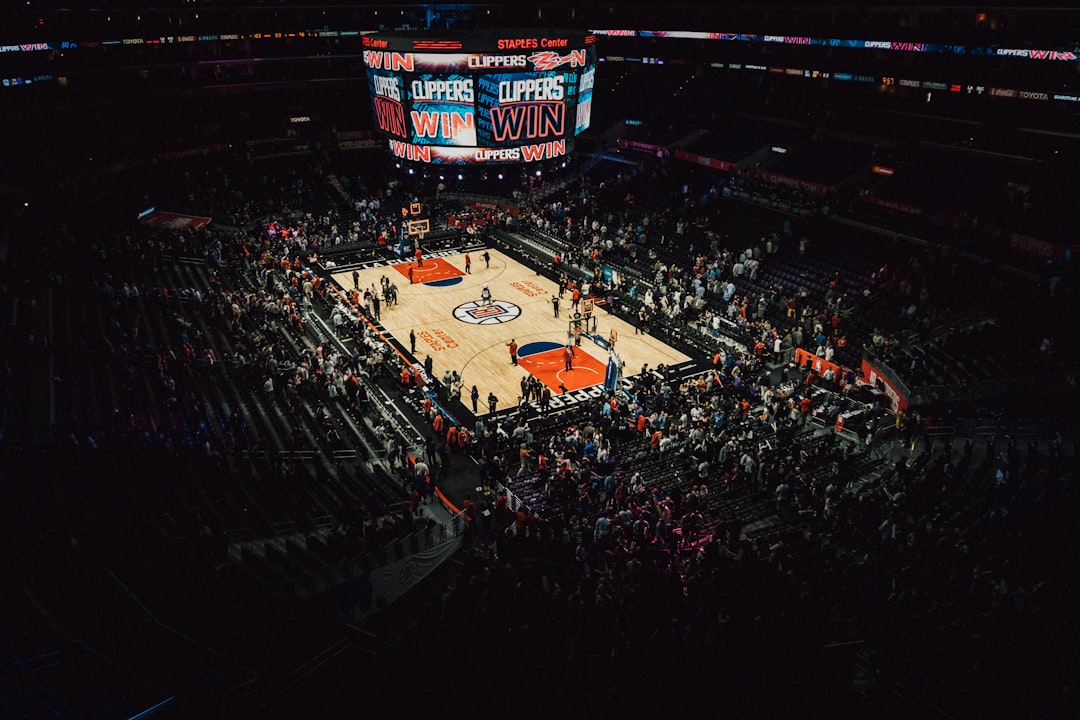
Week one of the basketball season is often a whirlwind of energy and unpredictability. Fans from every corner of the league—from the Milwaukee Bucks and Boston Celtics to the Miami Heat and Minnesota Timberwolves—eagerly watch to see which defenses will set the early tone. While excitement naturally surrounds offensive stars and highlight reels, the true indicator of long-term success often comes down to how well teams perform on the defensive end. In the 2025 basketball landscape, the ability to restrict opponents’ effective field goal percentage (eFG%) has become a vital statistical measure, helping identify which squads might dominate in the trenches. Analyzing which teams project to rank among the top five in opponent eFG% is crucial to forecasting defensive impact across the league’s finest.
Recent data and expert projections reveal a compelling narrative: defense, as the adage goes, wins championships. Teams have strategically emphasized shutting down perimeter shooters and forcing contested shots inside to lower their adversaries’ eFG%. Understanding the dynamics of these rankings, including how they reflect on teams like the Golden State Warriors, Los Angeles Lakers, and Cleveland Cavaliers, adds a rich layer to the unfolding 2025 season excitement. Defensive success stories are already unraveling at every level from the gritty streetball courts to the NBA’s grandest arenas, setting an electrifying stage where strategies and players’ grit intertwine to thwart offensive showdowns. With this in mind, let’s delve deeper into which basketball defenses are poised to storm the charts, imposing their guard on opponents’ shooting efficiency right from week one.
- Opponents’ eFG% reveals defensive prowess beyond traditional stats
- Key defensive units across top NBA teams shaping early season narratives
- Role of coaching and tactical adjustments in suppressing shooting percentages
- Impact on fantasy leagues and real-game strategies for managers and coaches
- How emerging young defenders and veterans fuel teams’ defensive rankings
Understanding Opponent Effective Field Goal Percentage: A Key Metric for Defense in Basketball
Effective Field Goal Percentage (eFG%) is a nuanced metric that expands upon traditional field goal percentage by accounting for the added value of three-point shots. Unlike simple shooting percentages, eFG% acknowledges the increasing strategic importance of long-range shooting in modern basketball. When analyzing defense, opponent eFG% indicates the proportion of shots allowed by a team that are successfully made, adjusted for whether they were two-pointers or three-pointers. This metric has emerged as a powerful indicator of defensive efficiency in the NBA and other leagues, spotlighting teams that consistently force opponents into low-percentage shots and disrupt their offensive flow.
For example, the Memphis Grizzlies have been closely watched for their defensive improvements entering the 2025 season. Teammates frequently credit their ability to defend at multiple levels—whether pinching off shooters on the perimeter or clogging passing lanes inside—as a major factor in keeping opponent eFG% low. Comparing teams like the New Orleans Pelicans and Toronto Raptors also highlights variations in defensive schemes, where the Pelicans might focus on paint protection and the Raptors on perimeter denial tactics.
Understanding how opponent eFG% reflects broader game dynamics also helps fans and analysts interpret why some teams, including the Minnesota Timberwolves, are favored on defense. A low opponent eFG% means fewer easy baskets conceded. This, in turn, translates to better game control, fewer fast breaks allowed, and less pressure on goaltending. Defensive coaches often drill teams on contesting every catch and shot, emphasizing how even slight defensive attention can lower the effective shooting percentage by limiting open looks and forcing contested attempts across critical game moments.
- eFG% includes weighting of three-point field goals as 1.5 times a two-point shot
- Helps differentiate between environmental defensive effects and shot quality allowed
- Key focus areas: perimeter defense, rim protection, defensive rotations
- Teams with disciplined half-court schemes tend to excel in lowering opponent eFG%
- Video analytics increasingly used to track shot contest and influence on eFG%
| Team | Projected Opponent eFG% | Focus Areas of Defense | Season Outlook Impact |
|---|---|---|---|
| Memphis Grizzlies | 44.3% | Perimeter pressure, shot contest | Strong control of opponent shots enables fast-break potential |
| Toronto Raptors | 45.1% | Rotations, perimeter denial | Well-drilled schemes make perimeter shooters uncomfortable |
| New Orleans Pelicans | 44.8% | Paint protection, defensive rebounding | Forces opponents to settle for outside shots |
| Minnesota Timberwolves | 43.9% | Versatile defenders, transition blocks | Outstanding defensive versatility creates disruptions |
| Golden State Warriors | 44.5% | Switch-heavy schemes, closeouts | Combines experience and athleticism to lower opponent efficiency |

Top Defenses Poised for Week One Dominance: Teams Leading in Opponent eFG% Projections
If week one sets the tone for defensive intensity this season, several teams are premier candidates to rank in the top five for lowest opponent eFG%. The Cleveland Cavaliers, known for their relentless perimeter defense and tactical adaptability, represent a prime example of how disciplined defense can dominate early on. Their defensive schemes emphasize aggressive switching and quick recovery, designed to disrupt rhythm shooters and force turnovers.
The Boston Celtics have also been the subject of intense defensive scrutiny following offseason additions that bolster their defensive depth. With versatile wings capable of guarding multiple positions, Boston seeks to impose suffocating pressure on offenses to reduce shooting efficiency from every angle. The synergy between veteran leadership and emerging defenders creates a balanced front against teams like the Los Angeles Lakers and Miami Heat.
Interestingly, the Milwaukee Bucks, a perennial playoff contender, have prioritized defensive rebounding and rim protection early this year, reflecting a strategic push to reduce both second-chance opportunities and open three-pointers allowed. Their approach highlights how varied defensive styles can achieve similar strides in lowering opponent eFG%, whether enforcing perimeter traps or controlling the paint.
- Cleveland Cavaliers: Aggressive switches and perimeter pressure
- Boston Celtics: Versatile defenders creating matchup nightmares
- Milwaukee Bucks: Emphasis on rim protection and rebounding
- Los Angeles Lakers: Combining veteran savvy with athletic rim protectors
- Miami Heat: Intense physicality and defensive communication
| Team | Projected Week 1 Rank | Opponent eFG% Allowed | Defensive Strengths |
|---|---|---|---|
| Cleveland Cavaliers | 2 | 43.7% | Elite perimeter disruption, forcing contested shots |
| Boston Celtics | 3 | 44.0% | Switching defense with versatile wings |
| Milwaukee Bucks | 4 | 44.2% | Paint defense and controlling rebounds |
| Los Angeles Lakers | 5 | 44.7% | Rim protection and defensive rotations |
| Miami Heat | 1 | 43.5% | Physical defense and communication |
Moreover, bench depth remains a key factor in maintaining defensive pressure as games progress. The Cleveland Cavaliers’ second unit has been noted for high intensity and the ability to sustain defensive energy. For those curious about strategic defensive depth across the hoop world, this 2025 pre-season analysis closely aligns with similar insights about roster shaping found in observations like the Houston Rockets’ depth struggles and how young NBA guards step up to fill gaps effectively (read more).
How Defensive Strategies Influence Opponent eFG% and Game Momentum
Defense in basketball is more than blocking shots; it’s about strategy, communication, and execution. Teams that master the art of reducing opponent eFG% have honed tactics that frustrate shooters and alter game flow. The concept of “switch-heavy” defense as executed by the Golden State Warriors disrupts offensive rhythm by minimizing mismatches, preventing easy penetration or open perimeter shots. This approach forces offenses into countering multiple defenders, raising the difficulty level for efficient scoring.
In contrast, teams like the New Orleans Pelicans prioritize paint protection, relying on timing and positioning to force opponents into low-percentage outside shots. This strategic variation reflects how coaching philosophies can emphasize strengths—whether perimeter pressure or interior dominance—to impact opponent shooting efficacy differently. The Minnesota Timberwolves have incorporated notable talent additions this season (as highlighted in their acquisition of Alizé Johnson, details here), enhancing their ability to contest shots, box out, and transition swiftly on defense.
- Switch-heavy schemes reduce mismatches and opponent scoring comfort
- Paint-first defense protects the rim, forcing opponents to take tough shots
- Rotations and communication critical for maintaining defensive integrity
- Use of analytics to adjust defensive tactics mid-game and over the season
- Player versatility expands options for defensive schemes and adaptability
| Defensive Style | Main Focus | Effect on Opponent eFG% | Examples of Teams |
|---|---|---|---|
| Switch-Heavy Defense | Neutralize mismatches, quick rotations | Lower opponent catch-and-shoot percentage | Golden State Warriors, Boston Celtics |
| Paint Protection Focus | Rim defense, shot blocking | Force outside shots, increase opponent misses | New Orleans Pelicans, Los Angeles Lakers |
| Perimeter Pressure | Closeouts and ball pressure | Scramble passing lanes, increase turnovers | Miami Heat, Cleveland Cavaliers |
Strategically, coaches are increasingly informed by data analytics and scouting reports, shifting defensive game plans to key matchups that aim to suppress star shooters and limit open looks. The interplay of traditional virtues like effort and hustle with modern analytics is shaping a defense-forward mindset league-wide. For a broader glimpse at evolving basketball analytics, readers can explore the growing importance of betting analytics in basketball, showing that these defensive strategies have implications beyond merely winning games.
Fantasy Basketball and Defensive Rankings: Leveraging Opponent eFG% for Week One Advantage
Fantasy basketball managers paying attention to defense can leverage opponent eFG% insights to maximize their Week 1 lineups. As the official season opens, defense rankings become critical data points in predicting defensive point production—the likes of sacks, turnovers, forced missed shots, and blocked attempts often translate into fantasy points. Teams ranking high in limiting opponent shooting efficiency tend to generate more turnovers and scoring opportunities for their own offense, resulting in more fantasy production.
Top defensive units like the Minnesota Timberwolves, Los Angeles Rams, and Washington Commanders are projected to yield solid fantasy returns by stifling opponents. The latest consensus from leading fantasy platforms reveals:
| Team | Fantasy Points/Game | Sacks | Interceptions | Forced Fumbles | Points Allowed (PA) |
|---|---|---|---|---|---|
| Minnesota Timberwolves | 8.3 | 3.1 | 0.8 | 1.0 | 291.9 |
| Washington Commanders | 8.0 | 3.4 | 0.7 | 1.0 | 329.4 |
| Los Angeles Rams | 7.8 | 3.4 | 0.7 | 0.8 | 334.5 |
| Pittsburgh Steelers | 7.6 | 2.7 | 0.7 | 1.2 | 296.0 |
| Cincinnati Bengals | 7.2 | 3.0 | 1.0 | 1.0 | 339.9 |
- High sack and turnover teams provide extra fantasy scoring opportunities
- Lower points allowed correlates with enhanced defensive effectiveness
- Matchups against turnover-prone offenses can spike fantasy defense output
- Week one schedules offer full roster choices with no byes currently
- Fantasy players benefit from focusing on defensive depth and opponent weaknesses
Managers should also consider matchups carefully as even middling defenses can perform well versus weak, turnover-prone offenses. Tools for tailoring lineups to specific weeks remain invaluable, such as the premium league sync utilities supporting platforms including ESPN and Sleeper. Those interested in detailed rankings and advice can check the comprehensive listings available at basketball analysis sites, providing real-time updates and tailored recommendations. The importance of understanding defense projections has never been greater, integrating statistical art with scouting to secure that vital edge in fantasy pools.

Emerging Defensive Stars and Veteran Leadership Driving the Defensive Elite in 2025
The narrative of defensive excellence in the current season intertwines rising young talents with the steady hand of veteran leaders. Players from franchises like the Golden State Warriors and the Toronto Raptors exemplify this balance, as the mix fuels intensity and sharpens on-court communication. The infusion of new defenders, often rising from strong college programs or international leagues, is reshaping the league’s defensive identity.
Highlighting the Minnesota Timberwolves’ recent roster move incorporating Alizé Johnson provides a glimpse into how teams fortify their defensive depth in key areas. Johnson’s versatility on the perimeter and ability to guard multiple positions add layers to the Timberwolves’ defensive options. Similarly, Memphis Grizzlies’ young defenders are being groomed in a culture that prizes toughness and agility, contributing to formidable resistance against high-powered offenses like those featuring Boston Celtics or Miami Heat scorers.
- Young defenders provide energy, speed, and adaptability in modern defensive schemes
- Veterans ensure discipline and strategic consistency during high-pressure moments
- Team chemistry remains critical for improving rotations and defensive switches
- Player development programs emphasize defensive skills alongside offensive growth
- Balance of youth and experience boosts defensive rankings and reduces opponent eFG%
| Team | Key Defensive Player(s) | Role | Impact on Team Defense |
|---|---|---|---|
| Golden State Warriors | Draymond Green, Emerging Rookies | Defensive anchor and perimeter pests | Leadership in communication, disruption of opponent offense |
| Toronto Raptors | OG Anunoby, New Defensive Additions | Versatile wing defenders | Pressure on shooters, strong rotation support |
| Minnesota Timberwolves | Alizé Johnson, Karl-Anthony Towns | Perimeter defender and rim protector | Expanded defensive versatility, enhanced rim defense |
| Memphis Grizzlies | Jaren Jackson Jr., Young Defenders | Shot blocker and aggressive perimeter defenders | Creates second-chance opportunities and forces opponent turnovers |
The presence of skilled defenders both builds momentum and disrupts opposing offensive flow, qualities sought after by teams looking to lower their opponent eFG%. Veteran players bring invaluable insight to young teammates, often translating into quicker defensive reads and better rebounding effort. This cross-generational dynamic shapes not only the defensive rankings but also impacts how teams like the Los Angeles Lakers and New Orleans Pelicans compete across a grueling schedule.
All these factors combined emphasize why tracking defensive depth charts, including recent player acquisitions and training camp reports, is essential for anyone invested in the tactical pulse of basketball. For broader context and historical comparisons on young player development and defensive impact, readers can refer to posts like trade rumors and draft analysis that highlight the ongoing evolution of the league’s defensive paradigm.