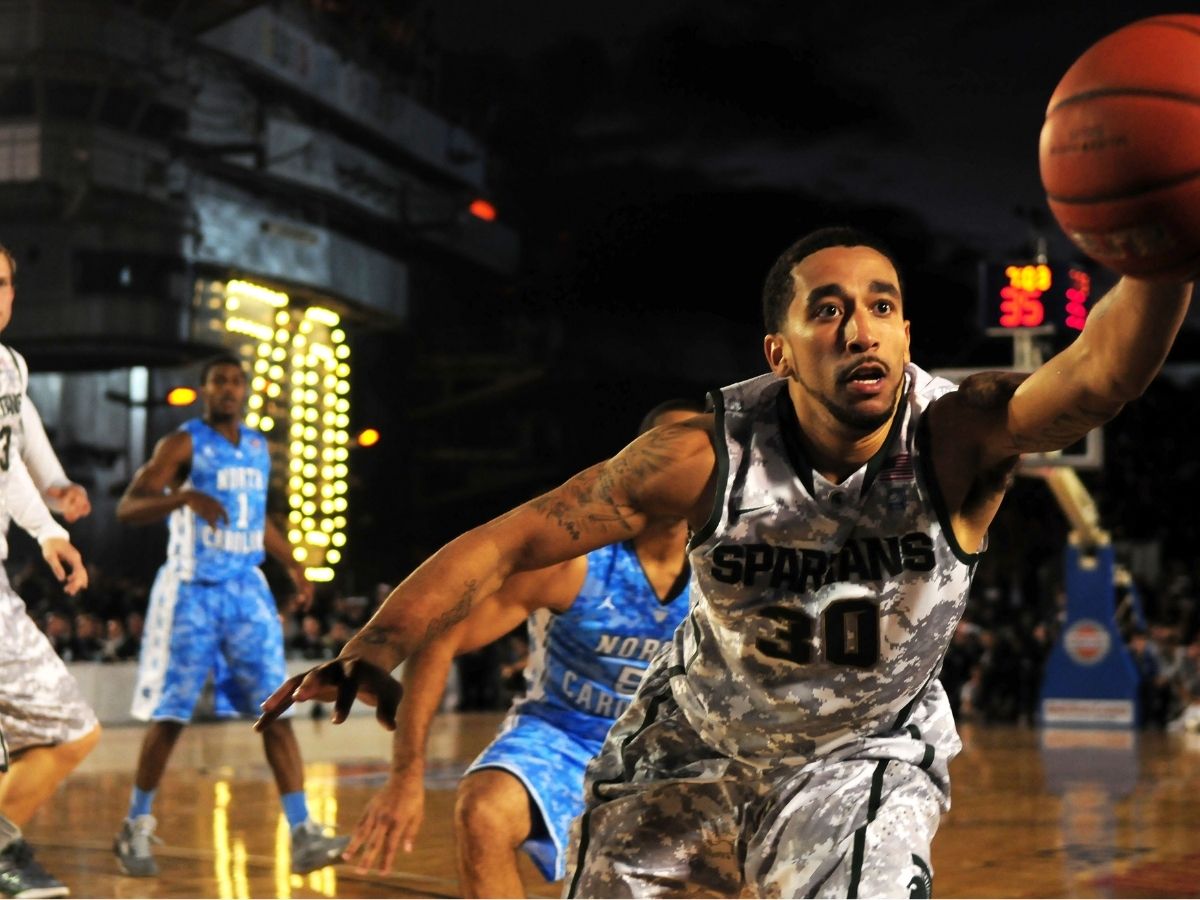
Basketball has undergone a radical transformation, evolving from a game dominated by physicality and close-contact play into a dynamic spectacle defined by smart spacing and rapid tempo. From grassroots courts to the NBA’s brightest stages, the sport now thrives on wide-open floors, rapid ball movement, and intelligent player positioning. This shift is not just a fleeting trend; it represents a fundamental change in offensive strategy, shaping how teams approach scoring, defense, and even practice.
In the modern basketball landscape, pace and spacing have become the heartbeat of successful teams, unlocking faster plays and creating more efficient scoring opportunities. The spread-out alignment of players frees up driving lanes and maximizes the impact of three-point shooting, while pushing offenses to exploit fast breaks before defenses can fully settle. Thanks to advancements in analytics and video study, coaching staffs now tailor game plans around these principles, ensuring players understand and exploit floor geometry and tempo.
The following sections delve into the core mechanics behind this evolution, exploring how shooting changes, player versatility, and innovative training shape the game’s current and future state. Along the way, examples from high-profile NBA clashes and emerging trends in international basketball illustrate just how pace and spacing are rewriting basketball’s playbook.
Key takeaways:
- Modern basketball prioritizes floor spacing to enhance offensive fluidity and create driving lanes.
- Pace is deliberately controlled for strategic advantage, blending speed with precision.
- Player versatility demands offensive strategies that maximize open space and rapid decision-making.
- Defenses adapt through switching, disciplined help, and hybrid zones to counter spacing and pace.
- The embrace of pace and spacing is driven by player development, fan engagement, and advances in sports analytics.
How Spacing Became the Cornerstone of Modern Basketball Offense
Once reliant on physical interior play and grinding offenses, basketball now emphasizes expansive floor spacing as the new language for creating scoring chances. The introduction of the three-point line decades ago was the spark, but the seismic shift occurred when big men extended their range beyond the paint, pulling defenders outward and fundamentally changing defensive responsibilities.
The Stretch Big Revolution
When centers and power forwards began stepping behind the arc, entire offensive landscapes opened up. This stretch-big phenomenon forced defenders to make tough choices: guard the perimeter shooter or protect the rim. This dilemma opened driving lanes for guards and wings, who could now attack with less congestion. The risks for defensive helpers increased substantially because leaving shooters open from downtown could be instantly punished. The ripple effect was a more spaced offensive setup that freed up sharper passing angles and improved shot quality overall.
Teams like the Golden State Warriors capitalized on this trend since the early 2010s, combining high-volume three-point shooting with rapid ball movement to dismantle traditional defenses. Their approach exemplifies how spacing alters both player roles and game flow, inspiring a generation of teams to adopt similar tactics.
Better Spacing Means More Time and Clearer Reads
Beyond tactical advantages, wider spacing grants players critical milliseconds to assess the defense and make high-impact decisions. According to sports spatial analytics, increasing the gap between offensive players and their closest defenders by just a step or two can drastically slow defensive reactions. Those precious extra moments enhance pass precision, boost shooting confidence, and reduce forced turnovers.
This thoughtful arrangement of players across the court creates zones of clarity, where team offenses read the defense more like a chess match. Spacing invigorates player movement, allowing athletes to exploit mismatches or collapse defenders and find open teammates.
Player Versatility and Positionless Basketball
The modern basketball player defies traditional positional boundaries – guards have size and strength, wings can shoot and handle, bigs develop dribbling skills. This versatility demands an offensive framework that capitalizes on space and quick rotational movement. Positionless basketball thrives in pace-and-space environments because every player becomes a potential creator or scorer, requiring more room to operate effectively.
As a result, modern offensive strategies revolve around five-out or spread-four sets, where spacing is maximized even when featuring non-shooting bigs. These tactics transform traditional paint-centric offenses into fluid, constantly shifting offenses that keep defenses off balance.
Why Pace Transformed from Mere Speed to Strategic Offense
The faster tempo witnessed in contemporary basketball is more than just a frantic rush; it’s a carefully orchestrated acceleration designed to unsettle defenses and optimize scoring chances. Understanding pace as an offensive weapon involves recognizing how modern teams blend speed with tactical discipline to maintain control while pushing the tempo.
Exploiting Transition Opportunities
One of the defining traits of a modern offense is its keen focus on rapid transition. Attacking before the defense can fully organize often leads to high-quality shots and mismatches. Teams strive to push the ball upcourt quickly through efficient passing and intelligent player movement, enabling fast breaks that catch opponents off guard.
Effective transition offense relies on precise spacing during the break, preventing defenders from clogging driving lanes. Coaches work extensively on improving conditioning and recovery, guided by biomechanical data and athlete monitoring technology, to sustain this high-energy play over the duration of games and seasons.
Conditioning Meets Analytics in Training
In 2025, training regimens integrate analytics deeply into athlete preparation. Player tracking data, combined with recovery metrics, allow teams to calibrate exertion levels to maximize performance at peak moments. This science-backed approach sustains high tempo without sacrificing decision quality or increasing injury risks.
Improved conditioning supports not only faster pace but also smarter pace. Players can read defenses quickly, decide when to push the tempo, and recognize their teammates’ positioning in real-time, creating a flow that balances controlled aggression with tactical foresight. The mental acumen at this speed underscores a subtle but profound evolution in basketball intelligence.
The Symbiotic Relationship Between Pace and Spacing
Spacing breeds pace; pace amplifies spacing. This synergy stands at the core of today’s offense. Wide spacing helps players drive and dish efficiently, inviting a quicker tempo as defenses scramble to recover. In turn, a swift pace multiplies defensive mistakes, opens larger gaps, and strengthens spacing’s impact, creating a virtuous circle that defines successful teams.
| Factor | Effect on Gameplay | Why It Matters |
|---|---|---|
| Expanded shooting range | Pulls defenders outward | Opens the paint and creating driving lanes |
| Faster ball movement | Reduces defensive reaction time | Leads to higher-quality and uncontested shots |
| Positionless lineups | More creators and shooters on the floor | Makes offensive actions harder to predict |
| Advanced conditioning | Sustains high pace throughout the game | Wears down slower defenses over time |
| Smarter spacing schemes | Clearer reads for players | Reduces turnovers and improves efficiency |
This dance between tempo and floor geometry is meticulously studied by coaching staffs, as showcased in the detailed game analyses found at basketballsmarts.com, where the orchestration of pace and spacing is dissected in live match scenarios.
Defensive Innovations Responding to Pace and Spacing
Offensive transformation forces defenses to evolve rapidly. The modern threat of fast breaks and precise perimeter shooting demands defensive versatility and smarter positioning. Teams have developed new methods to counter these challenges without sacrificing defensive integrity.
Switching and Versatile Defenders
With offenses featuring multiple shooters and versatile guards, switching on screens has become a defensive mainstay. This strategy neutralizes mismatches that pace-and-space offenses aim to exploit. However, it requires defenders who are capable of guarding multiple positions effectively, increasing the value of flexible, well-rounded athletes.
Though switching carries risks—such as creating open three-point shots—it offers a manageable solution for high-paced opponents who rely on quick picks and constant motion.
Disciplined Help and Rotations
Spacing stretches defenses thin, meaning that each help defender’s movements must be precisely calculated. One wrong step can leave shooters open. Modern rotations are almost mathematical in nature, using data-driven insights to dictate positioning. This discipline aims to challenge shots without compromising coverage in the paint or open lanes.
Hybrid Defensive Zones
Some teams blend traditional man-to-man defense with zone principles to combat effective spacing. Matchup zones adapt dynamically, protecting the three-point line while still contesting drives. This hybrid approach balances aggression with coverage, requiring constant communication and coordination among defenders.
Such adaptations ensure defenses remain competitive as offenses grow smarter and faster, a theme exemplified in match previews like Lakers vs Celtics, where defensive plans revolve heavily around countering pace and spacing tactics.
The Lasting Impact of Pace and Spacing on Basketball Culture and Development
The widespread adoption of pace and spacing has reshaped not only professional tactics but also the development of young players and fan engagement. Basketball at all levels is now taught and appreciated through the lens of speed and space.
Youth and Amateur Basketball Embracing Modern Trends
Current youth programs emphasize shooting range, spacing principles, and quick decision-making from an early age. This means players ascend through ranks already familiar with high-tempo, space-oriented basketball. As a result, the transition to collegiate and professional levels aligns seamlessly with these trends.
Training exercises focus on spacing drills, transitional fast breaks, and conditioning that matches professional expectations. Coaches encourage creativity within the framework of spacing and pace, nurturing players who thrive in open, fast environments.
Fan Engagement and Enhanced Viewing Experience
Modern basketball’s flow, governed by pace and expansive spacing, has proven compelling for audiences. Faster possessions, highlight-worthy fast breaks, and skillful ball movement create an electric atmosphere. These elements are key to retaining fan interest in an era crowded with entertainment options and shrinking attention spans.
Analytics and broadcast graphics often highlight spatial advantages and tempo control, helping fans appreciate the underlying strategy beyond just scores and flashy plays. Platforms like basketball news portals deepen fan understanding by breaking down how spacing impacts shot quality and game flow.
The Science Supporting Sustainable Basketball
Scientific insights show that proper spacing decreases collisions and contact injuries, while better player conditioning supports sustainable high-tempo play. This aligns basketball with modern sports science trends prioritizing athlete longevity and enjoyment over pure physical domination.
As the sport continues to evolve, the combined influence of technology, analytics, and player development ensures that pace and spacing remain pillars of basketball’s identity.
Why is spacing so important in modern basketball?
Spacing creates open driving lanes, clearer passing opportunities, and stretches defenses, which improves shot quality and offensive efficiency.
How does pace influence offensive success?
A well-managed pace allows offenses to attack before defenses set up, exploiting mismatches and maintaining rhythm without rushing.
What defensive strategies counteract pace and spacing?
Defenses use switching, disciplined help rotations, and hybrid zones to cope with spacing and prevent open shots while staying adaptable to fast tempos.
How are younger players adapting to these trends?
Youth players train in pace-and-space philosophies early, developing shooting range, quick decision-making, and conditioning aligned with modern basketball demands.
Where can fans find detailed analyses of pace and spacing in games?
Websites like basketballsmarts.com offer in-depth breakdowns of how pace and spacing influence match outcomes and team strategies.