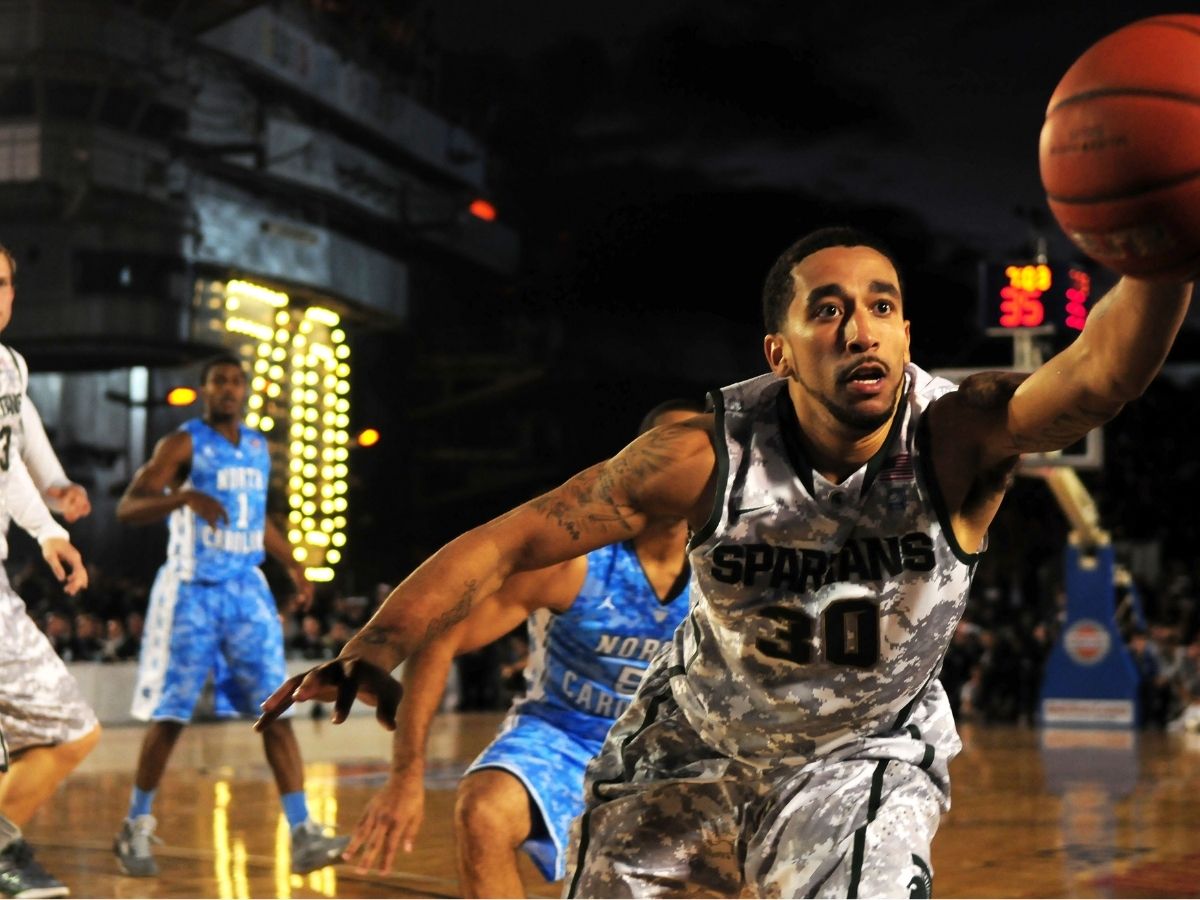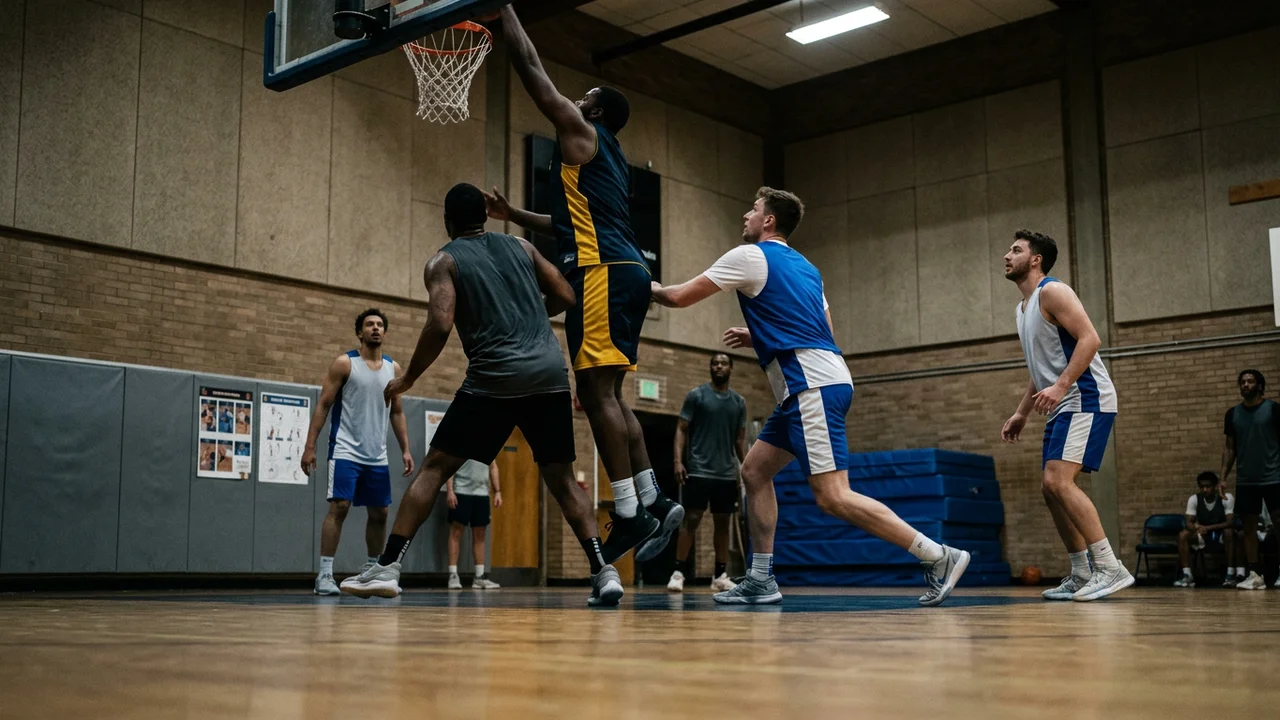
Man-to-man defense once ruled professional basketball. Teams like the 1960s Celtics built dynasties on disciplined shell defense, funneling attackers toward Bill Russell’s shot-blocking presence in the paint. For decades, this rigid structure defined team defense. But the tactical landscape has shifted. Today’s elite teams thrive on complex, interconnected defensive systems, where collective movement, positional fluidity, and real-time adjustments separate contenders from the rest.
Switch-heavy schemes changed everything. Instead of sticking to strict positional assignments, teams began switching on screens, using length and athleticism to cover gaps. The 2015-2018 Golden State Warriors set the standard with their “death lineup.” Draymond Green, playing center, anchored a group of rangy wings who could switch one through five. Pick-and-roll actions suffocated, opponents forced into isolation. Communication and anticipation became the backbone of this approach, now a blueprint for modern contenders.
Numbers tell the story. Recent performance metrics show that teams using switch-heavy and hybrid zone coverages have driven down opponent field goal percentages and forced more turnovers per possession. In the 2025 season, teams relying on switching systems improved their defensive rating by nearly 3 points per 100 possessions compared to those sticking with traditional drop or hedge coverage. The rise of the “nail defender”, a wing who stunts into the driving lane from the free throw line, has further complicated offensive ball movement, shrinking space and increasing contested shots.
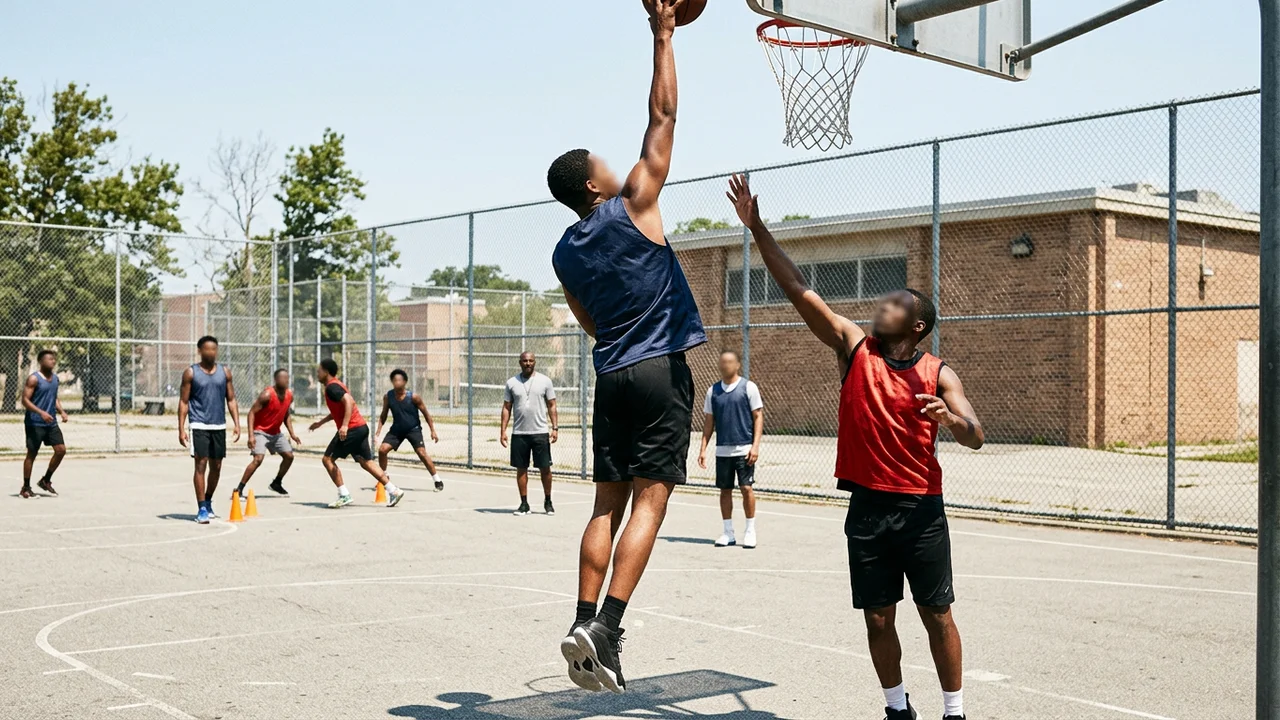
Defensive formations now shift constantly between man, zone, and hybrid looks. The 2-3 and 1-2-2 zones, once fallback options for less athletic teams, have been reinvented. Coaches blend zone principles with aggressive trapping and rapid rotations. Miami’s recent playoff runs have featured a high 2-3 zone, with guards extending pressure beyond the arc and the back line sliding laterally to protect the rim. Success depends on constant communication and split-second reads. Advanced tracking data shows the best defenses now complete 25 to 30 help rotations per game, up from fewer than 20 a decade ago.
Pressing systems have returned with new purpose. The full-court press, once a last resort, is now a calculated weapon. Coaches deploy it to disrupt rhythm and force hurried decisions. The “run-and-jump” press, borrowed from international basketball, has entered NBA rotations. After made baskets, teams spring traps, sending athletic forwards to blitz ball handlers and rotate behind to intercept passing lanes. The result: the top five pressing teams averaged 17.4 deflections per game last season.
Positional versatility drives this defensive evolution. Modern lineups are built for switchability, prioritizing wings and bigs who can guard multiple spots. Players once dismissed as “tweeners” are now prized for their ability to contain guards on the perimeter and contest shots at the rim. Teams with more than three players averaging at least 0.8 steals and 0.6 blocks per game have advanced deeper in the postseason over the past three years, according to current form and head-to-head records.
Offenses have responded with more spacing and three-point shooting, but defenses have countered with aggressive closeouts and rotations designed to run shooters off the line. The most successful teams funnel opponents into mid-range attempts, the least efficient shots by analytics. Since 2019, league-wide opponent three-point percentage has dropped from 36.7% to 34.2% in 2025.
This tactical arms race is reshaping player development and recruitment. Teams now scout for “defensive IQ”, anticipation, communication, and adaptability matter as much as raw athleticism. The modern defensive revolution isn’t about individual stoppers anymore. It’s about five-man machines, synchronized through formations, pressing systems, and positional analysis. As the 2026 season unfolds, tactical innovation on defense is defining the contenders and rewriting the blueprint for winning basketball.