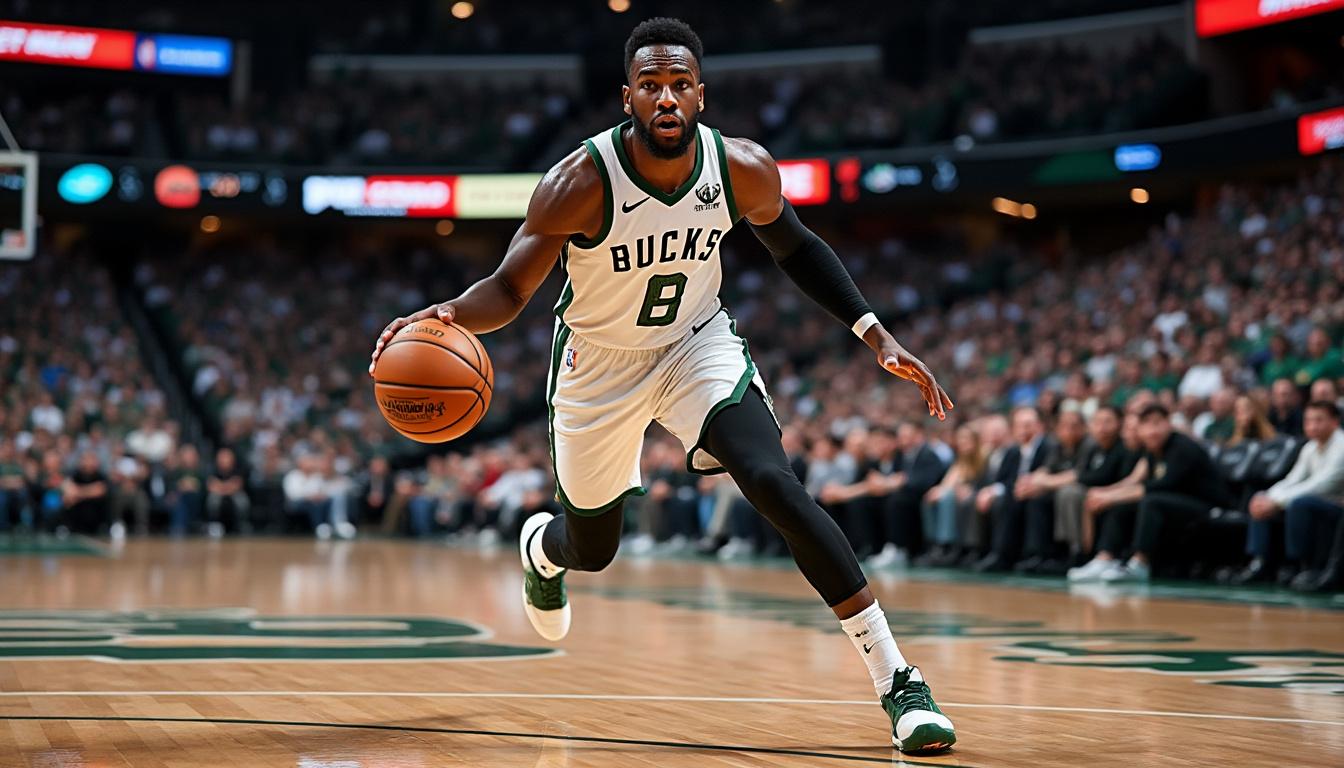
The impending clash between the Milwaukee Bucks and Miami Heat stands as a pivotal moment in the NBA’s 2025 season, embodying the fiery rivalries and strategic battles that make basketball irresistible. Both teams, coming off significant victories and injuries, seek to assert dominance in the Eastern Conference. The Bucks enter with momentum, riding a three-game win streak, despite missing key players like Damian Lillard. Miami, fresh from an overtime victory that snapped their losing streak, aims to leverage home advantage and crucial contributions from rising stars Tyler Herro and Andrew Wiggins. This game is more than a regular season bout—it’s a strategic chess match where each key matchup could tilt the scales, providing fans with a compelling narrative of offense, defense, and resilient play.
Milwaukee’s strength lies in a versatile offense, highlighted by their exceptional three-point shooting, perfectly complementing their aggressive defense. Conversely, Miami’s discipline on defense and their capacity for offensive rebounds present a unique challenge. The duel between Giannis Antetokounmpo and Bam Adebayo epitomizes the physicality and intelligence that will shape the outfit’s fortunes. Meanwhile, the availability of supporting players due to injury concerns adds layers of unpredictability, setting the stage for a game brimming with drama and tactical depth. As analysts eye this matchup, the blend of firepower, strategy, and the human spirit promise an NBA showcase where every possession could decide the outcome.
Critical Key Matchups Shaping the Bucks vs Heat Outcome
Within the tapestry of this forthcoming game, several individual battles demand close attention, as they hold the potential to decide the fate of both squads. The contrast in playing styles and team strategies underscores the importance of these key matchups. Foremost among them is the tussle between Giannis Antetokounmpo and Bam Adebayo. Giannis, a powerhouse of offense and defense, has been performing gallantly even with a minutes restriction, hinting at a cautious strategy by the Bucks’ coaching staff to preserve their franchise player. Counterbalancing this is Bam Adebayo’s blend of strength, agility, and high defensive IQ, which enables him to pose significant obstacles to Giannis’s attacks. The physicality here is palpable; Adebayo himself recently posted an impressive 26 points against Memphis, reinforcing his readiness for another intense showdown.
Simultaneously, the perimeter play now receives heightened importance given Damian Lillard’s probable absence due to a groin injury. Kyle Kuzma’s uplifting 19-point, 8-rebound performance showcases the Bucks’ ability to adapt, but Miami’s offensive threats, spearheaded by Tyler Herro and recently acquired Andrew Wiggins, inject unpredictability into the match. Herro, in particular, with an average of 23.9 points and 5.5 assists per game, stands as a dynamic force who could exploit the Bucks’ perimeter defense weakened without Lillard’s presence.
This intricate web of individual matchups reflects a broader strategic puzzle for coaches. Doc Rivers’ tactical decisions around Giannis’s minutes restriction aim to balance immediate competitiveness against long-term player health—a challenge in any high-stakes NBA setting. Miami’s push to harness Wiggins’ potential and lean on Herro’s scoring creates a focal point where offensive creativity might clash against Milwaukee’s robust defense, one of the top-rated units in the league this year. Fans and analysts can find detailed strategic insight in discussions like those on key matchups that often decide the destiny of elite basketball contests.
Impact of Injuries and Player Availability on Bucks and Heat Strategies
Injuries continue to cast a significant shadow over both the Bucks and the Heat, directly influencing their strategies and chances in this high-stakes clash. For Milwaukee, the absence of Damian Lillard due to a groin issue and Taurean Prince’s ankle injury reduces the depth and variety of their lineup. The loss of Lillard, an elite offensive facilitator and scorer, compromises the Bucks’ perimeter offense and places additional pressure on Giannis to shoulder scoring and playmaking duties. This shift mandates adjustments in their strategic approach, most notably leaning on Kyle Kuzma’s increased role and trying to preserve Giannis’s effectiveness within a strict minutes cap imposed by head coach Doc Rivers.
Conversely, the Miami Heat’s injury situation, while comparatively less severe, is not without concern. Key players like Terry Rozier and Aaron Wiggins are listed as questionable or sidelined, with Kevin Love also out for personal reasons. The questionable status of Tyler Herro, a player who delivered a blistering 35-point performance recently despite a thigh issue, remains one of the most critical injury-related uncertainties. If Herro fails to suit up, Miami’s offensive firepower diminishes notably, which could significantly handicap their ability to challenge Milwaukee’s high efficiency shooting and defensive schemes.
These injury issues not only affect individual player availability but also necessitate deeper tactical revisions. Milwaukee’s offense might become more predictable, relying heavily on Giannis and requiring other role players like Kuzma to step up consistently. Miami, meanwhile, could focus more on slowing the game pace, emphasizing defensive solidity and capitalizing on offensive rebounds—areas where Milwaukee has shown relative vulnerability. This interplay of injuries and strategy highlights how the physical toll of the NBA season demands robust coaching adaptations, and shapes the narrative of the Bucks vs Heat game in ways that go beyond simple talent assessment.
Adaptation Strategies under Pressure
The way each coaching team manages injuries reveals much about their tactical flexibility and the depth of their squad. Doc Rivers’ minute restriction on Giannis, a clear effort to mitigate injury risk while maintaining competitiveness, creates opportunities for bench players to rise and contribute. His long-term vision contrasts with Erik Spoelstra’s approach with Miami, who, backed by an energetic supporting cast including Andrew Wiggins and Bam Adebayo, may prioritize exploiting home court advantage despite absences. These strategic shifts reflect a continuously evolving chess match between great minds and capable rosters, where injury management melds with offensive and defensive planning.
Elite defensive strategies will be central, as both teams rank highly in defensive efficiency. Understanding how these defenses adjust to missing key figures offers fans a deeper layer of intrigue beyond mere box scores and highlights.
Statistical Edges and Offensive-Defensive Battles in the Bucks vs Heat Game
Statistics not only tell the story of past performance in basketball but also forecast potential outcomes, especially when key matchups define the contest. Milwaukee’s offensive prowess is underscored by their remarkable three-point shooting accuracy, averaging an NBA-leading 38.6% from beyond the arc while knocking down 14.1 threes per game. This sharp shooting contrasts with Miami’s defensive performance against perimeter threats, which ranks 13th in the league, allowing a 35.9% three-point shooting percentage. This disparity hints at a vital offensive edge for the Bucks, especially as they continue to produce well off the arc even without Lillard’s presence.
On the flip side, Miami’s strength in offensive rebounding could prove decisive. Their opponents concede approximately 10.8 offensive rebounds per game, ranked 10th best in the NBA, while Milwaukee struggles near the bottom, capturing only 8.3 offensive boards per game. This imbalance creates additional scoring opportunities for Miami, especially in clutch moments where second-chance points shift momentum.
Further complicating the dynamics is the pace and rhythm of play. Miami tends to execute a more deliberate, half-court offense that can frustrate opponents and reduce possessions, while Milwaukee’s style embraces fast breaks and dynamic scoring. This contrast might slow down the Bucks’ rhythm, particularly given the demanding schedule and Giannis’s minutes restriction.
| Statistical Category | Milwaukee Bucks | Miami Heat |
|---|---|---|
| Three-Point Shooting % | 38.6% (1st NBA) | 35.9% (13th NBA) |
| Three-Pointers Made Per Game | 14.1 (8th NBA) | 11.3 (15th NBA) |
| Offensive Rebounds Per Game | 8.3 (30th NBA) | 10.8 (10th NBA) |
| Points Allowed Per Game | 112.6 | 110.7 |
| Recent Win-Loss (Last 10 Games) | 6-4 | 4-6 |
These numbers outline a fascinating battle, where Milwaukee’s elite offense meets Miami’s stout defense and tenacity on the boards. Understanding these statistical nuances provides a clearer expectation of which team might claim victory and how pivotal moments could unfold. For more in-depth coverage of similar NBA battles and emerging contenders, explore the content on key matchups among early contenders.
How Coaching Strategies Could Influence the Final Outcome of Bucks vs Heat
The duel between coaches Doc Rivers and Erik Spoelstra adds a gripping subplot to this game, where their basketball philosophies and tactical decisions could prove as significant as the players’ performances. Doc Rivers, known for his strategic adaptability and defensive emphasis, faces the challenge of managing Giannis’s minutes effectively while optimizing the rest of the roster’s contributions. His approach of rotating players and leaning on emerging talents like Kyle Kuzma reflects a proactive navigation through injury troubles.
Meanwhile, Erik Spoelstra’s Heat emphasize resilience, execution, and defensive discipline, leveraging their solid defensive schemes and physical play style. Miami’s ability to claw their way back into playoff contention after a rough patch speaks volumes about Spoelstra’s prowess in keeping the team focused and competitive. Spoelstra’s push to integrate Andrew Wiggins smoothly enhances their wing defense and offensive versatility, possibly offering unexpected advantages during crucial stretches.
Both teams are skating on thin margins when it comes to playoff positioning, with Milwaukee aiming to secure a direct playoff berth and Miami battling to avoid the play-in tournament. Thus, coaching decisions surrounding tempo control, timeout usage, and matchup exploitation take on heightened importance. The game’s flow could hinge on these tactical nuances, reflecting why expert analysis and scouting reports from sources such as elite defensive systems and game previews elevate fan understanding of the sport’s complexities.
In Brief: Essential Takeaways for the Bucks vs Heat Key Matchups
- Giannis Antetokounmpo vs Bam Adebayo: The cornerstone battle of strength, skill, and endurance will likely set the game’s tone.
- Impact of Injuries: Lillard’s absence and Herro’s questionable status could define offensive efficiency and adaptability.
- Offensive-Rebounding Edge: Miami’s strength on the glass could create vital second-chance scoring opportunities against the Bucks.
- Three-Point Shooting: Milwaukee’s elite perimeter shooting stands out as a critical weapon against Miami’s defense.
- Coaching Tactics: The contrasting approaches of Rivers and Spoelstra in managing rosters and game pace offer a compelling tactical angle.
How important is Giannis Antetokounmpo’s minutes restriction in this matchup?
Giannis’s limited minutes reduce his time on court but preserve his effectiveness, requiring the Bucks to rely more on their supporting players while maintaining high offensive output.
What role does Tyler Herro play for the Miami Heat?
Tyler Herro is a key offensive weapon for the Heat. His scoring and playmaking abilities are crucial, especially with other injuries affecting Miami’s depth.
How could Miami’s strength in offensive rebounds influence the game?
Miami’s ability to secure offensive rebounds provides additional possessions and scoring chances, which could be decisive in a close, defense-oriented game.
Why is Milwaukee’s three-point shooting significant against Miami’s defense?
Milwaukee’s high three-point accuracy tests Miami’s perimeter defense, which is solid but ranked lower than Milwaukee’s shooting efficiency, potentially creating scoring mismatches.
How do coaching strategies affect the team’s chances in this game?
Coaching decisions on player rotations, defensive matchups, and tempo management significantly impact execution and can swing tight games, highlighting the strategic battle between Rivers and Spoelstra.