Mastering the art of defending the pick-and-roll remains a defining factor for basketball teams aiming for supremacy in 2025. As offenses grow increasingly sophisticated with high-level ball screen actions, defenses must continuously adapt, deploying a range of strategies to neutralize elite playmakers. From the scorching arenas where NBA titans clash to international courts showcasing emerging European stars, defending effectively against these dynamic offensive sets can turn the tide of a game. The pick-and-roll defense is no longer about mere reaction—it’s a calculated chess match between defenders trying to anticipate plays and disrupt rhythm. Fans and analysts alike watch intently as defenders embody roles like the PickGuard and RollBlock specialists, striving to tip the scales with timing, communication, and sheer athletic prowess. Understanding these defensive adjustments not only reveals the hidden battles behind the scoreboard but also highlights the evolving strategies behind the BallScreenGuard mantle.
Key takeaways on pick-and-roll defense adjustments:
- Switching and trapping dominate as flexible responses to elite screeners and ball handlers.
- The defensive emphasis on ScreenShield roles helps delay ball handler decisions and control penetration paths.
- Teams employ nuanced RollLock rotations to defend aggressive rolling big men and prevent easy baskets.
- Communication and anticipation form the backbone of effective on-court defenses, mitigating weaknesses created by screens.
- Empirical results stress the importance of mixing coverages and tactics to keep offenses guessing and limit predictability.
Adapting Pick-and-Roll Defense: Core Techniques and Roles
The pick-and-roll remains one of the toughest offensive maneuvers to contain, primarily because it forces defensive players into split-second decisions that can open scoring lanes if not executed perfectly. At the heart of this defensive battle lie several core techniques that teams rely on to maintain control against elite ball screens in 2025.
Trap the Ball Handler: One of the most aggressive defensive strategies involves the on-ball defender teaming up with the screener’s defender to trap immediately after the screen is set. This PickStopper approach pressures the dribbler, forces hurried decisions, and can push the ball handler into mistakes or rushed passes. Teams often use this against top-tier scorers as an effective disruption tool.
Hedge and Recover: This tactic has gained popularity, demanding the screener’s defender to step out aggressively and contain the ball handler, then swiftly recover back to their original mark, typically the rolling big man. This RollBlock role balances ball pressure without completely abandoning the screener, which helps in containing both the driving threat and the roll.
Switching: Defensive switches offer a dynamic solution by swapping defenders between the ball handler and the screener. The key to success here is communication and physical parity—ideally switching between players of similar size or skill to avoid mismatches. When executed with precision, this strategy serves as an excellent hedge against nuanced screen sets, especially in high-pressure or short-clock situations.
Going Under or Over Screens: Defenders may opt to go under a screen when the opposing ball handler is less threatening from the outside, conceding a short-range shot rather than allowing a drive. Conversely, going over the screen pressures the ball handler to navigate in tighter spaces, effectively forcing difficult shots or passes.
| Pick-and-Roll Defensive Tactic | Primary Objective | Situational Use | Effectiveness Against |
|---|---|---|---|
| Trap and Blitz | Pressure ball handler immediately | Elite ball handlers with high usage | Forces turnovers, disrupts flow |
| Hedge and Recover | Contain drive while covering screener | Pick-and-roll with strong rolling bigs | Delays penetration, solidifies paint defense |
| Switching | Prevent open lanes, avoid mismatches | Physical matchups with equal defenders | Reduces confusion, forces contested shots |
| Go Under Screen | Limit penetration when shooter’s weak | Non-shooting ball handlers or newbies | Limits drive, concedes safe outside shots |
| Go Over Screen | Pressure ball handler early | Elite playmakers with threats off the dribble | Forces tough decisions, reduces passing options |
Implementing and mastering these techniques requires communication mastery as well as conditioning for quick rotations and closeouts, making this a demanding but indispensable arsenal for any team committed to EliteDefense.
Switching Defense: The Dynamic Response to Elite Ball Screens
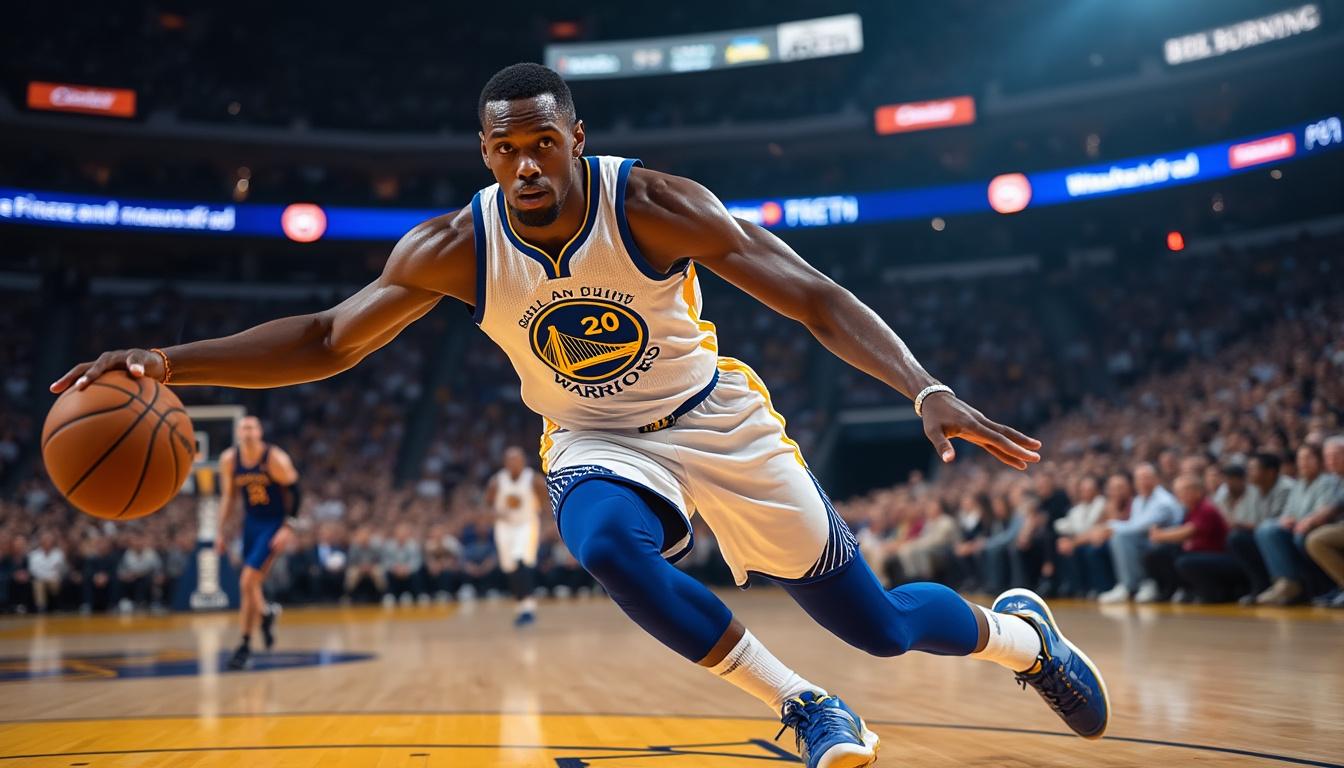
Switching has become a cornerstone of modern pick-and-roll defense thanks to its flexibility and ability to neutralize complex offensive sets. In 2025, the emergence of versatile defenders capable of guarding multiple positions allows teams to deploy switching effectively, especially against offenses rich with skilled screeners and crafty ball handlers.
At its essence, switching involves the defender guarding the screener and the defender guarding the ball handler swapping their assignments during or immediately after the screen. Successfully executing a switch demands:
- Precise communication: verbal cues such as calling “Switch” loudly ensure all players anticipate the transition.
- Physical compatibility: the new matchups should ideally minimize mismatches, avoiding placing a smaller guard on a strong rolling big man, for example.
- Speed and agility: defenders must keep pace with varying offensive threats during the switch to reduce open space on shots or drives.
Teams often use switching as a default defense in high-pressure moments like late-clock situations, where the need for defensive certainty outweighs the risks of mismatches. This approach can be particularly fruitful when combined with effective top-level help defenders who cover potential open shooters around the arc. The idea of a ScreenBreaker defender who anticipates and reads screens effectively to initiate the switch is critical here.
Switching also allows teams to conserve energy and sidestep complicated rotation schemes common in hedging defenses, providing a cleaner, more direct game plan that disrupts offensive rhythm. While switching can sometimes yield mismatches, teams mitigate this through tactics such as strategic trapping on weaker ball handlers or rotating help defense to cover rolling big men.
The impact of defensive specialists in 2025 underscores how players who master switching and when to force switches offer a distinct defensive edge in elite leagues today.
| Switching Defense Component | Importance | Potential Drawbacks |
|---|---|---|
| Communication | Ensures smooth, coordinated switches | Miscommunication leads to open shots |
| Physical Matchups | Reduces mismatches against offensive threats | Size or skill gaps can be exploited |
| Quickness | Allows covering dynamic players instantly | Fatigue impacts reaction time |
Trapping and Hedge Techniques: Pressure Points Against Elite Pick-and-Roll Actions
Trapping the ball handler right after the screen is an aggressive defensive tactic that demands precision and teamwork. Known as a definitive PickStopper move, the trap seeks to cut off passing lanes, push the dribbler into mistakes, and force turnovers.
The trap is not without risk—it can leave the rolling screener unguarded if rotations are slow. Teams successfully employing this need:
- Instantaneous rotations: defenders off the ball must be ready to cover open men, especially the screener rolling to the basket.
- Physical endurance: repeated trapping can wear down defenders, so conditioning becomes key.
- Situational deployment: teams tend to trap top shooters or hazardous ball handlers exclusively, preserving energy for critical moments.
In addition to trapping, the hedge—where the screener’s defender steps out aggressively to impede the ball handler’s progress without full commitment to a trap—is a widely used complement. This ensures quick containment and space denial, key against players known for their attacking speed.
The famous Lakers vs Suns matchups in 2025 showcased elite teams regularly switching between hedging and full trapping based on the offensive personnel on the floor, blending pressure with patience.
| Technique | Defender Roles | Main Benefit | Best Suited Against |
|---|---|---|---|
| Trap | On-ball defender + screener’s defender | Reflexive pressure, forces errors | Elite ball handlers with limited passing |
| Hedge | Screener’s defender steps out temporarily | Impulse containment, prevents easy drives | Explosive drive-and-kick offenses |
| Recover | Screener’s defender returns to original man | Re-establishes interior defense, RollLock | Pick-and-roll with strong roll men |
Rotations and Anticipation: The Defense’s Silent Weapons Against Screen Actions
A well-executed rotation can be the difference between a contested shot and an open triple. Modern pick-and-roll defense relies heavily on seamless defender rotation, particularly when traps or hedges pull players out of standard coverage positions.
Key components to flawless rotations in 2025 include:
- Situational awareness: Defenders must read the offensive timing and ball movement, enabling them to rotate before the pass is made.
- Trust in teammates: The defender rotating into a new assignment must know that their original assignment is covered.
- Practice-driven precision: Coordinated drills simulating pick-and-roll scenarios play a vital role in mastering rotations.
Anticipation goes hand-in-hand with rotation and is fortified through film analysis and repetition. Defenders learn to predict when a screen will come or when a roll is imminent, allowing them to take proactive steps toward disrupting the offense before opportunities fully develop. The advance knowledge visualized via analytics and strategy tools equips teams with a DefenseEdge vital for top-tier performance.
| Component | Importance | Example |
|---|---|---|
| Anticipation | Allows proactive defensive positioning | Pre-rotating to cut off passes |
| Communication | Coordinates team defensive response | Calling out rotations and screens |
| Practice | Enhances timing and execution | Scrimmage scenarios focused on pick-and-roll |
Instilling a Defensive Philosophy: Unifying the Team’s Pick-and-Roll Approach
Beyond tactics and drills, successful pick-and-roll defense in 2025 demands a team-wide philosophy rooted in agility, communication, and adaptability. Establishing a coherent defensive identity provides players the confidence and clarity to tackle evolving offensive threats.
This philosophy emphasizes:
- Consistent communication: Every defender acts as a sensor and speaker to detect screens and shifts.
- Embracing versatility: Encouraging players to master multiple defensive roles, from ScreenShield specialists to RollLock anchors.
- Adjustability: Adapting game plans based on scouting reports that identify the opposing team’s preferred pick-and-roll variations.
Teams that embed these principles foster a resilient defensive mindset where players anticipate offensive moves and react with a unified front. This approach not only limits scoring threats but also demoralizes offenses by nullifying their most trusted plays. The EuroLeague clash between Efes and Barcelona offered prime examples of cohesive team defense executed under this philosophy, disrupting one of Europe’s most potent pick-and-roll offenses in 2025.
| Defensive Philosophy Element | Description | Expected Outcome |
|---|---|---|
| Communication | Facilitates on-the-fly adjustments and clarity | Minimizes breakdowns and open shots |
| Versatility | Players adapt to switching, hedging, and trapping roles | Provides strategic options and rotational flexibility |
| Adaptability | Tailors defenses to opponent tendencies | Maximizes defensive efficiency and unpredictability |
What is the most effective pick-and-roll defense strategy?
The most effective strategy depends on your team’s personnel, but switching defenses combined with well-timed trapping and rotations generally offer high success by adapting to offensive threats dynamically.
When should defenders switch on a pick-and-roll?
Defenders should switch especially in late-clock or high-pressure scenarios, or when matched up size-wise to avoid mismatches and maintain defensive randomness.
How can teams prepare for elite ball handlers during pick-and-rolls?
Teams use trapping and aggressive hedging against such players, supported by intense film study and anticipation drills to limit drivability and passing options.
What role does anticipation play in pick-and-roll defense?
Anticipation allows defenders to act before a screen is fully set or a pass is made, improving rotations and helping disrupt offensive flow.
How important is communication in pick-and-roll defense?
It is crucial, as clear communication ensures seamless switches, rotations, and team coverage, preventing defensive breakdowns that offenses can exploit.