The NBA’s most electrifying moments often unfold in the final minutes of a tightly contested game — a phase basketball fans aptly call “clutch time.” Between October 21 and 26, 2025, several teams will lean on their finest closers, those players who thrive under pressure and elevate their performance when the stakes couldn’t be higher. This preview shines a spotlight on athletes expected to dominate clutch situations, whether by taking the game-winning shot, orchestrating decisive plays, or locking down defensively when every possession counts. It’s a week showcasing a blend of seasoned veterans with sculpted reputations and emerging stars carving their legacy. Analyzing the latest odds, performance trends, and tactical approaches offers valuable insights for fans, analysts, and even sports betting enthusiasts eager to pinpoint who truly owns the final buzzer this early season stage.
As offseason injuries, roster reshuffles, and evolving team strategies unfold, the players deemed likely to seize those last five minutes and take the final shot are revealing more about their fortitude and skill under the bright lights. Jalen Brunson of the New York Knicks and Minnesota Timberwolves’ Anthony Edwards enter this period as co-favorites for the NBA Clutch Player of the Year, a distinction that reflects not only scoring ability but composure, shot selection, and leadership in the heat of the battle. Others like Trae Young, Luka Dončić, and Nikola Jokić remain volatile wildcards capable of changing a game’s course with a single possession. This period is a test for every contender to prove who deserves to reign as the ultimate closer heading into the heart of the season.
Understanding clutch time isn’t just about the last shot; it encompasses every decision made in the final five minutes or overtime when point margins are razor-thin. Viewing this week through such a lens reveals compelling narratives and the subtle chess match of coaches and players playing both sides of the ball under immense pressure. Expect to see Nike and Jordan-clad stars battling it out with Wilson and Spalding balls, fueled by Gatorade and protected by Adidas and Under Armour gear, all while the likes of Bleacher Report and ESPN dissect every heartbeat of action. This peek into clutch performances between October 21 and 26, 2025, promises a mesmerizing slice of basketball drama and mastery.
Key points to watch during this clutch period:
- Jalen Brunson and Anthony Edwards as leading favorites to close games and clinch victories.
- Impact of roster dynamics and injuries from past playoffs influencing clutch responsibilities early in the season.
- Rising stars like Trae Young offering unpredictable, high-risk, high-reward clutch performances.
- Team tendencies towards trusting veteran leadership versus empowering young dynamism in closing moments.
- Equipment and branding synergy from companies like Nike, Adidas, Spalding, and Wilson shaping player comfort and confidence.
Jalen Brunson and Anthony Edwards: Front-Runners in Clutch Performance and Closing Games
Among players primed to dominate clutch time during the week of October 21-26, 2025, Jalen Brunson and Anthony Edwards stand out as the most compelling figures. As co-favorites for the NBA Clutch Player of the Year at +1000 odds, both bring distinct styles and narratives to close games and take last shots.
Jalen Brunson, the New York Knicks’ seasoned guard, rides on well-earned momentum after capturing the Clutch Player of the Year award last season. His knack for maintaining efficiency under pressure reflects not just in his shooting percentage — an impressive 51.5% in clutch situations — but in his ability to orchestrate the Knicks’ offense cohesively as pressure mounts. His playing style, calm yet aggressive, exemplifies what it means to be a closer: seamless decision-making combined with courage to take key shot attempts when opponents tighten their defense.
During tight games, Brunson’s decision to either trust his own shot or involve teammates in critical moments exhibits basketball IQ honed through years of competitive play. The Knicks’ front office and coaching staff show confidence by placing the ball in his hands during the final five minutes or overtime when the score difference hovers around five points or fewer. The synergy between Brunson’s leadership and the Knicks’ roster depth creates a potent formula, giving New York an edge late in games.
Anthony Edwards, representing the Minnesota Timberwolves, combines raw scoring talent with fearlessness. Having led the NBA last season in clutch points and attempts, Edwards exhibits a willingness to absorb pressure and create scoring opportunities amidst uncertainty. His three-time All-Star status reflects a trajectory towards superstardom, and clutch time further cements his reputation as a formidable scorer who shoulders his team’s hopes when a game’s outcome hangs in the balance.
The league defines clutch time as the last five minutes of the fourth quarter or overtime, with the score being within five points. Edwards’ ability to fill the scoring column amidst such precise parameters reveals a fearless mindset paired with improved shot selection. With Minnesota’s roster built around him, Edwards remains the prime target to close games, often being given freedom to shoot when defenses clamp down. This offensive responsibility feeds his confidence, yet demands consistent physical conditioning and mental resilience.
Below is a snapshot comparison of operational metrics for these two leaders in clutch scenarios:
| Player | Clutch Time FG% (2024-25) | Clutch Points per Game | 3-Point Attempts in Clutch | Shot Attempts in Clutch |
|---|---|---|---|---|
| Jalen Brunson | 51.5% | 5.6 | 4.2 | 8.1 |
| Anthony Edwards | 47.0% | 6.1 | 5.0 | 9.0 |
Both players demonstrate a blend of efficiency and volume shooting in clutch moments, suggesting intense focus and a respected role as final possession takers. This duel encapsulates basketball’s evolving culture—combining precision with aggressive scoring, complemented by tactical trust from coaches.
Beyond their individual stats, their positioning within their respective teams shows contrasting philosophical approaches. The Knicks bank on Brunson’s cerebral playmaking and mature decision-making. Oppositely, Minnesota revels in Edwards’ explosive athleticism and propensity to attack, often catching defenders off guard.
Such contrasts extend the excitement of clutch watching, a narrative enriched with detailed analysis available through outlets like Basketball Smarts. Here, fans can dive deeper into how young talents like Edwards develop within structured systems to become reliable finishers. Meanwhile, Bruins’ performance cements veteran reliability in an association spanning Bleacher Report and ESPN, matching stats with storytelling to magnify the spectacle of clutch moments.
Trajectory of Clutch Legends: Impact on Team Success
Tracking past NBA Clutch Player of the Year winners reveals the profound impact clutch performers have on team success. With names like Stephen Curry, De’Aaron Fox, and Brunson himself in the recent history, it’s evident that teams relying on these players for clutch time advantage increase their chances of close wins.
These players’ ability to maintain shooting accuracy and composure translates into quantifiable outcomes. For instance, both Brunson and Edwards have demonstrated not only scoring prowess but also elevated defensive hustle in crunch time — a combination that elevates their teams’ chance of closing tight games favorably.
In light of this, franchise management across the league increasingly emphasizes clutch data — shot distribution, decision making metrics, and late-game usage — to sculpt rosters that can win under pressure. This transformation has revitalized how teams draft, acquire talent, and implement rotations leading up to clutch situations.
- Consistent clutch scoring leaders tend to correlate with teams achieving a winning record in games decided by five points or fewer.
- Strong clutch performers influence team strategy, prompting coaches to design plays exploiting their strengths during last possessions.
- Veterans who excel in clutch moments are preferred for leadership roles during high-stakes situations.
- The psychological edge clutch players provide often rattles opposing defenses during critical game junctures.
As the season leans into October’s latter week, watch for these clutch performers to influence pivotal matchups. The stakes will grow even higher as fans and analysts track how this clutch battle unfolds within a fresh season context and evolving international basketball narratives found in insights like early EuroLeague key matchups.
Emerging Clutch Talents and Unpredictable Closers: The Case of Trae Young and Luka Dončić
Beyond the established favorites, this clutch preview also highlights exciting guards like Trae Young and Luka Dončić — players whose clutch impact has been equally thrilling, though with nuances that make them wildcards in any tight game scenario. Their ability to handle the ball, create shots off the dribble, and orchestrate late-game scenarios injects unpredictability and urgency into their teams’ closing efforts.
Trae Young of the Atlanta Hawks, with +1800 odds on the Clutch Player leaderboard, represents a dynamic closer whose volume shooting ethos contrasts with efficiency concerns. Last season, Young ranked fifth in clutch time field-goal attempts but converted those at only 36.4%. This inconsistency challenges him to enhance shot selection, especially under the pressure of close games. However, his capability to knock down clutch 3-pointers and draw fouls consistently keeps him firmly in the conversation.
Atlanta’s revamped defensive roster aims to shore up weaknesses that previously limited Young’s effectiveness late in games. With more reliable teammates to shoulder defensive responsibilities, Young can focus on being aggressive offensively without excessive burden. This structural support may boost his clutch efficiency in critical moments this year.
Luka Dončić is another fascinating figure in clutch discourse, prized for his crafty and high-IQ playmaking. Dončić’s +1200 odds reflect a reputation built over multiple seasons, where his ability to pull off game-winning buzzer-beaters and late assists has made him both beloved and feared by fans and rivals alike. His clutch moments often rely on a mix of creative passing, size advantage, and unstable defender reactions, making him a uniquely multi-dimensional closer.
Given the ever-competitive Western Conference, Dončić’s performance in clutch time will be a significant indicator of Dallas Mavericks’ prospects. His blend of shot-creating and game control often compels opponents to shift defensive schemes late-game, allowing teammates to capitalize on open looks.
| Player | Clutch Time FG% | Clutch 3-Point % | Clutch Shot Attempts | Clutch Points per Game |
|---|---|---|---|---|
| Trae Young | 36.4% | 38.2% | 7.0 | 4.9 |
| Luka Dončić | 44.1% | 35.7% | 7.8 | 5.4 |
Both players illustrate the unpredictability inherent in clutch situations. Their tendency towards high-volume shooting carries inherent risk, but also explosive reward. Teams rely on them not just for points but for that emotional and psychological lift provided by a player willing to shoulder the load in tight windows.
Trae Young’s flair and boldness reflect a recent surge of young NBA guards stepping up to clutch roles, detailed in reports such as Young NBA Guards Step Up. Their clutch ability continues to evolve with each season, blending skill and mental toughness fostered by training methodologies and cutting-edge gear from sponsors like Nike and Under Armour, enhancing performance during high-pressure stretches.
Meanwhile, Luka’s reptilian poise and ability to manage game tempo serve as an example of maturing clutch instincts. The Dallas franchise has strategically built around his talents, and clutch statistics will be a key lens through which progress is evaluated as the 2025 season unfolds.
Team Dynamics Affecting Who Takes the Final Shot During October’s Clash
While individual brilliance defines clutch time headlines, basketball is unmistakably a team sport, and strategic decisions by coaches heavily influence who ultimately closes games and attempts last shots between October 21 and 26, 2025. Understanding the interplay of team strategies, roster depth, and coaching philosophies offers a captivating dimension to predicting clutch time roles.
Trust and Hierarchy: Teams typically trust certain players more than others during crunch time, often shaped by prior playoff performances, consistency, and historical reliability in pressure-filled moments. This trust influences who is handed the ball during final possessions, especially when separated by only a handful of points.
Roster Composition: Injuries, trades, and offseason shifts in rosters significantly alter those trusted to close games. The example of Indiana’s Tyrese Haliburton orchestrating their offense in the playoffs after key injuries showcases how emerging players seize clutch time opportunity when rosters evolve.
Similarly, Minnesota’s heavy reliance on Anthony Edwards during the clutch is due partly to the supporting cast optimized to complement his style. By contrast, teams like the New York Knicks encircle Brunson with shooters and defenders, creating a robust platform that maximizes his effectiveness late in games.
Coaching Philosophy: Some coaches prefer isolation plays for their stars in clutch time, while others favor set plays emphasizing ball movement and look for the “best shot.” This philosophy shapes the frequency and nature of clutch shot attempts for certain players. The Orlando Magic and Boston Celtics series provides an example where the Celtics’ clear game plan allowed them to close with precision, underscoring the importance of a unified clutch strategy.
Below is a table outlining clutch time closing tendencies by select teams during October 2025, based on possession-ending shots and playmaking leadership:
| Team | Primary Clutch Closer | Shot Distribution in Final 5 min | Clutch Time Offensive Strategy | Supporting Role Players |
|---|---|---|---|---|
| New York Knicks | Jalen Brunson | Brunson 53%, Others 47% | Pick-and-roll & Spot-up shots | Karl-Anthony Towns, RJ Barrett, Isaiah Hartenstein |
| Minnesota Timberwolves | Anthony Edwards | Edwards 60%, Others 40% | Isolation & Transition scoring | Julius Randle, Mike Conley |
| Atlanta Hawks | Trae Young | Young 55%, Others 45% | Three-point shooting & Pick-and-roll | Dejounte Murray, Clint Capela |
| Indiana Pacers | Tyrese Haliburton | Haliburton 50%, Others 50% | Ball movement & Three-point emphasis | Myles Turner, Obi Toppin |
Teams’ clutch strategies reflect both talent utilization and adaptability. Awareness of these tactics enriches fan appreciation and betting strategies alike, especially when combined with data from sources such as Kyle Lowry NBA Analyst and Steph Curry’s clutch mastery insights.
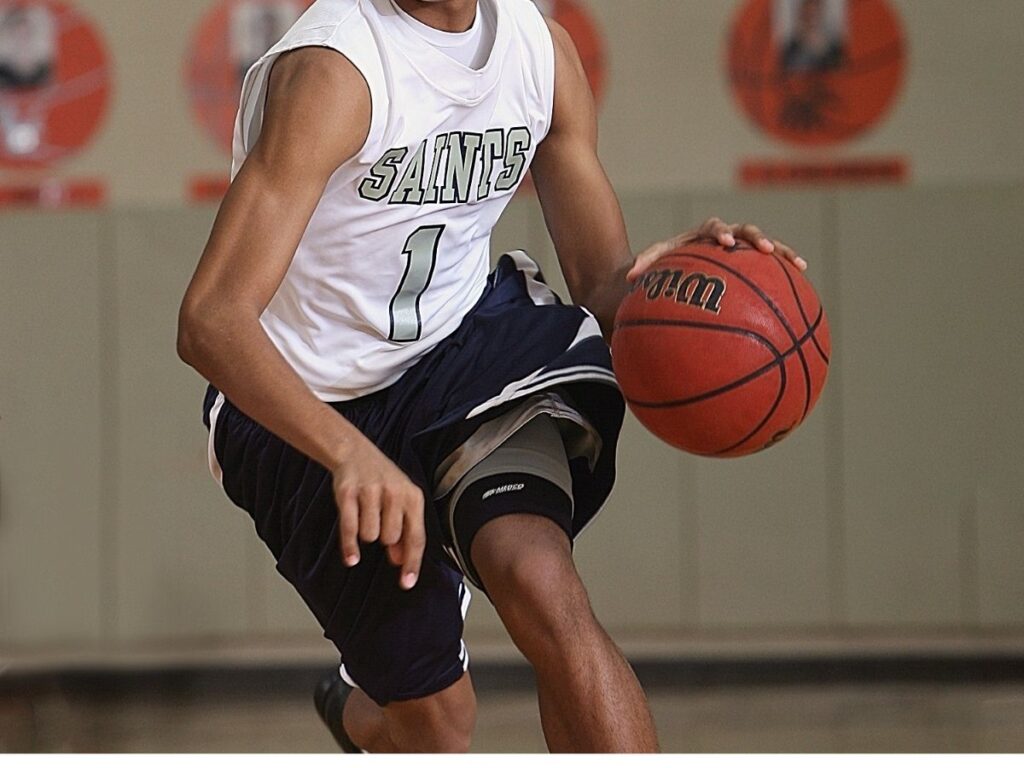
Influence of Equipment and Branding on Clutch Performance and Player Confidence
While clutch time is often celebrated as a test of skill, mindset, and situational basketball IQ, the role of equipment and branding cannot be overlooked in shaping player performance during these pressure-filled moments. Basketball gear from heavyweights like Nike, Adidas, Jordan, Under Armour, Spalding, and Wilson plays a subtle but crucial role in clutch execution.
Footwear and Agility: Gear from Nike and Adidas ensures players have traction and stability, vital for quick cuts and explosive moves in clutch moments. Players trust their sneakers will respond without slipping or causing discomfort, allowing them to focus solely on the game situation. For example, many clutch shooters prefer the latest Jordan models enabling precision foot placement during jump shots.
Ball Quality and Consistency: The basketball itself, whether from Spalding or Wilson, must maintain optimal grip, bounce, and control. At clutch time, precise ball handling and shooting feel can make the difference between success and failure. Top athletes under contract with certain brands often credit their equipment for added confidence in game-defining moments.
Hydration and Energy Replenishment: On-court fuel from Gatorade helps sustain energy levels and mental sharpness during crunch time. Proper hydration impacts decision-making and endurance, both critical when fatigue might otherwise cause errors.
Apparel Technology: Beyond footwear, Under Armour and Nike develop apparel designed for breathability and movement freedom, contributing to overall comfort in high-stakes play.
- Reliable sneakers conserve player energy and prevent injury through clutch moments.
- Consistent basketballs reduce variability in shot feel and dribbling control.
- Branded energy drinks and nutrition impact focus and recovery on-court.
- Technical apparel supports optimal body temperature and motion range.
Such details illustrate how commercialization and product innovation blend into the fabric of basketball’s most thrilling episodes. The confidence a player derives from top-notch gear—sponsored or enthusiastically adopted—cannot be separated from clutch game outcomes. Teams and players often use these advantages to eke out marginal gains, especially when margins are razor-thin.
For fans wanting to explore this behind-the-scenes intersection between gear and clutch performance, platforms like Basketball Smarts provide analysis bridging athletic performance and equipment technology.