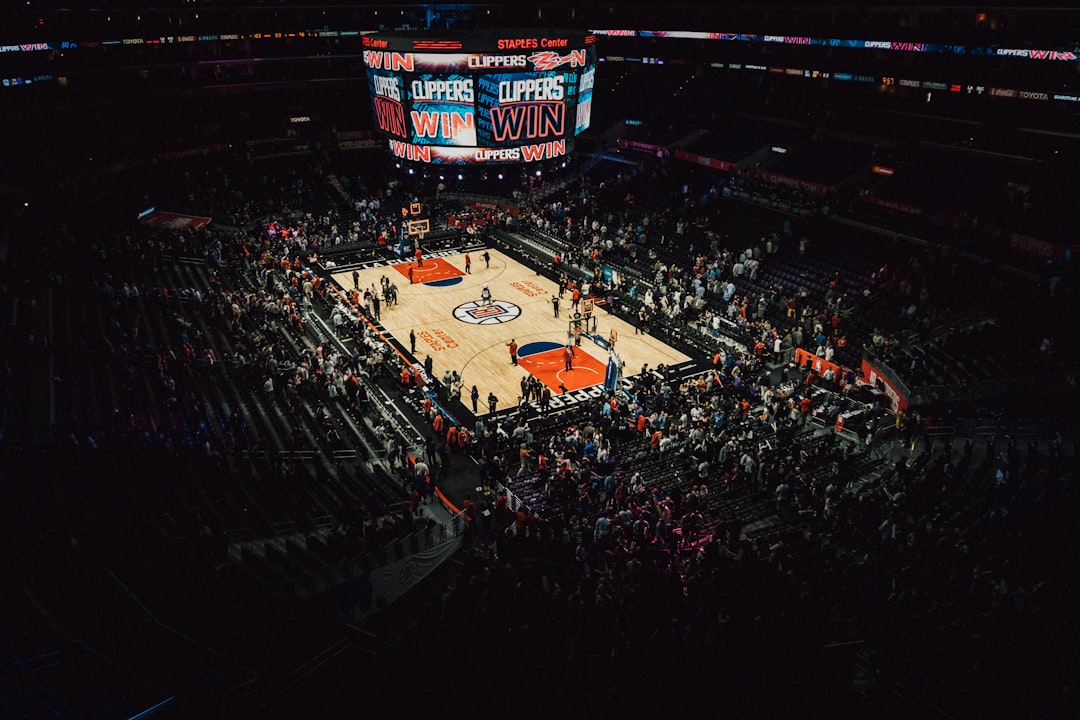
The 2025–26 FIBA Europe Cup season promises a riveting blend of basketball talent and strategic gameplay as teams across the continent gear up for what many anticipate to be a fiercely competitive tournament. This season opens doors to 29 registered clubs, with an additional group of 19 teams transitioning from the Basketball Champions League Qualification Round Tournaments, paving the way for an expanded roster of 40 teams. Spanning from promising newcomers to seasoned powerhouses, the lineup offers a comprehensive competitive landscape designed to captivate fans and stir the emotions that make basketball a truly enthralling sport.
Intensity, skill, and surprises await in the opening rounds, where each matchup carries the weight of potential glory and heartbreak. The strategic structure entwines a qualifying phase, regular season groups, and the promise of a thrilling basketball journey underpinned by top-tier brands like Nike, Adidas, Spalding, Wilson, and Molten, each synonymous with excellence in basketball equipment and apparel. Turkish Airlines sponsors provide a continental airlift of the sport, while hydration and endurance receive a boost courtesy of Gatorade. On the court, Under Armour and Peak gear captivate athletes preparing for battle. The European basketball stage is set for an unforgettable season.
In brief:
- A total of 29 confirmed teams and 19 potential qualifiers from the Basketball Champions League open the pathway in the FIBA Europe Cup 2025-26.
- The Regular Season comprises 40 teams divided into 10 groups, including direct entrants and successful qualifiers.
- Noteworthy teams include BC Cedevita Junior, Surne Bilbao Basket, Keravnos BC, and Bakken Bears Aarhus, representing basketball pride across Europe.
- Qualifying rounds start with two-legged ties in late September and early October, setting the dramatic tone early on.
- Dynamic gameplay will benefit from state-of-the-art basketball gear like Wilson and Molten balls, emphasizing skill and performance.
- The teams and format create opportunities for emerging talents and seasoned stars alike to capture continental attention.
- Strategic partnerships with SKY Sport ensure fans can enjoy live action and in-depth coverage across the continent.
- Changes in lineup, such as Peristeri BC filling a vacancy, illustrate the evolving landscape of European club basketball.

Comprehensive Breakdown of Teams Competing in the 2025-26 FIBA Europe Cup
The 2025–26 FIBA Europe Cup features a diverse assembly of nearly 50 clubs from 19 FIBA Europe member associations, illustrating the sport’s growing continental footprint. Among these, 29 clubs have officially registered for direct participation in the competition, eagerly anticipating the chance to shine on a European stage. This distribution of talent brings in teams with vibrant basketball cultures and history, adding depth and variety to the tournament.
Additional entrants include 19 teams from the Basketball Champions League (BCL) Qualification Round Tournaments. These clubs represent mammoth potential, as their performances could pivot dramatically, leading to unexpected underdog stories or reaffirmations of dominance. Teams such as Windrose Giants Antwerp from Belgium, Rilski Sportist from Bulgaria, and UCAM Murcia from Spain exemplify the variety and strength in the competitive pool.
- Directly registered teams include:
- BC Cedevita Junior (Croatia)
- Surne Bilbao Basket (Spain)
- Keravnos BC (Cyprus)
- JDA Dijon Basket (France)
- Tartu Ulikool Maks & Moorits (Estonia)
- Notable teams from BCL Qualifiers potentially joining:
- PAOK mateco (Greece)
- Bakken Bears Aarhus (Denmark)
- Falco Szombathely (Hungary)
- Pallacanestro Reggiana (Italy)
- Start Lublin (Poland)
The depth of this team list stimulates hope and excitement for fans eager to witness the battles between newer clubs eager to prove themselves and seasoned veterans looking to assert their dominance once more. As the format allows for adjustments — such as Peristeri BC’s elevation to the Regular Season following Riga Zelli’s withdrawal — the dynamics of qualification underline the uncertainty and thrill characteristic of top-tier basketball.
| Club | Country | Status |
|---|---|---|
| BC Cedevita Junior | Croatia | Direct Entry |
| Surne Bilbao Basket | Spain | Direct Entry |
| Keravnos BC | Cyprus | Direct Entry |
| PAOK mateco | Greece | Opted in from BCL Qualifiers |
| Bakken Bears Aarhus | Denmark | Opted in from BCL Qualifiers |
| Peristeri BC | Greece | Regular Season replacement |
Understanding the composition of teams gives followers a window into the global influence of basketball, highlighting how brands like Nike and Adidas equip these athletes, driving performance through innovative design and technology.

Intricate Format and Schedule Structure Shaping the 2025-26 FIBA Europe Cup
The tournament’s format is crafted to maximize excitement and ensure a fair yet challenging path to glory. Beginning with the Qualifiers, 16 teams face off in eight pairings over two-legged ties scheduled for September 24 and October 1. These games are not merely about survival but set a tone that combines strategic preparation with sheer physical intensity. The competition’s structure allows 14 clubs direct access to the Regular Season, reflecting their status and past performances.
This format masterfully blends teams ranked on merit with those proving themselves via qualifiers, creating a high-stakes environment where every possession counts. The Regular Season itself features 40 teams split into 10 groups of four, providing ample room for competition and showcasing basketball at its finest.
- Key format components include:
- Qualifying rounds in two-legged ties to determine final Regular Season spots.
- Regular Season groups of four teams each, playing round-robin matches.
- Integration of Basketball Champions League qualifiers who fail to progress.
- Qualification criteria allow some “best losers” to enter based on performance.
- Draws held in Munich, Germany, to finalize groups and fixtures.
These elements enhance unpredictability and clutch performance, triggering iconic moments reminiscent of NBA playoff buzzer-beaters. Strategic partnerships with global brands like Spalding and Wilson ensure the quality and consistency of the official game ball, contributing to fairness and high skill demonstrations.
| Stage | Teams | Format | Dates |
|---|---|---|---|
| Qualifiers | 16 | Two-legged ties, knockout | Sept 24 & Oct 1 |
| Regular Season | 40 | 10 groups of 4, round-robin | October – December |
Fans can anticipate action-packed matchups streamed on SKY Sport, allowing basketball enthusiasts across Europe to follow their teams closely, advancing the sport’s exposure and fan engagement. Such coverage bridges the gap between grassroots passion and professional spectating.
Key Contenders and Rising Stars to Watch in the Competition
With a balanced mix of powerhouses and aspirants, the 2025-26 FIBA Europe Cup is a spectacle where legends may emerge and underdogs can astonish. Clubs like JDA Dijon Basket from France, Dinamo BDS Sassari in Italy, and Sporting CP from Portugal bring seasoned rosters with players showcasing slick moves honed through years of experience. Meanwhile, lesser-known clubs such as Trepca from Kosovo and BK Patrioti Levice from Slovakia fuel their campaigns with raw passion and home-court tenacity.
The variety enriches the competition’s narrative, contributing depth to basketball lore. This diversity is also reflected in the styles of play—from the fast-paced, athletic offenses backed by Peak and Under Armour apparel to the methodical defensive setups often seen in teams equipped by Molten basketballs.
- Top teams showcasing potential include:
- JDA Dijon Basket (FRA)
- Dinamo BDS Sassari (ITA)
- Sporting CP (POR)
- Falco Szombathely (HUN)
- BC Kalev/Cramo (EST)
- Emerging talents to keep an eye on:
- Players from Basketball Balkan regions noted for physicality and NBA impact (read more)
- Young guards in transition from European leagues to international attention
Tracking these clubs provides an exciting lens into basketball development in Europe, aided by the global marketing reach of brands like Nike and Adidas which play a pivotal role in athlete gear and global fan engagement. This season is ripe for breakout performances destined to become part of basketball history.
Exploring Fan Engagement and Media Coverage of the Tournament
Basketball’s allure stems not only from the on-court flair but also from the roar of the crowd and vibrant fan culture. The 2025-26 FIBA Europe Cup capitalizes on this energy through partnerships with SKY Sport and enhanced media delivery platforms. Comprehensive live coverage, expert commentary, and behind-the-scenes content deepen fan connection, turning casual viewers into die-hard supporters.
Modern marketing strategies integrate social media campaigns with official tournament updates on platforms such as Instagram, X, and YouTube. Such outreach leverages the authentic stories of players and teams, amplifying their resonance beyond the arenas. Fans worldwide can follow their favorite clubs and players, engage in real-time discussions, and celebrate moments of brilliance.
- Fan engagement highlights:
- Live broadcasts and exclusive interviews on SKY Sport
- Interactive social media challenges and contests
- Highlight reels emphasizing clutch plays performed with Spalding and Wilson balls
- Player profiles showcasing collaborations with Under Armour and Peak
- Official merchandise promotions featuring Adidas and Nike apparel
- The impact of media coverage:
- Boosting tournament reach across European markets
- Increasing brand awareness of partner companies like Turkish Airlines
- Enhancing fan experience both courtside and virtually
Such dynamic fan engagement transforms tournaments into cultural phenomena, fostering community and passion that extend far beyond the hardwood. It’s a testament to how basketball has become a lifestyle, powered by the combined efforts of sport innovators, athlete heroes, and loyal fans alike.