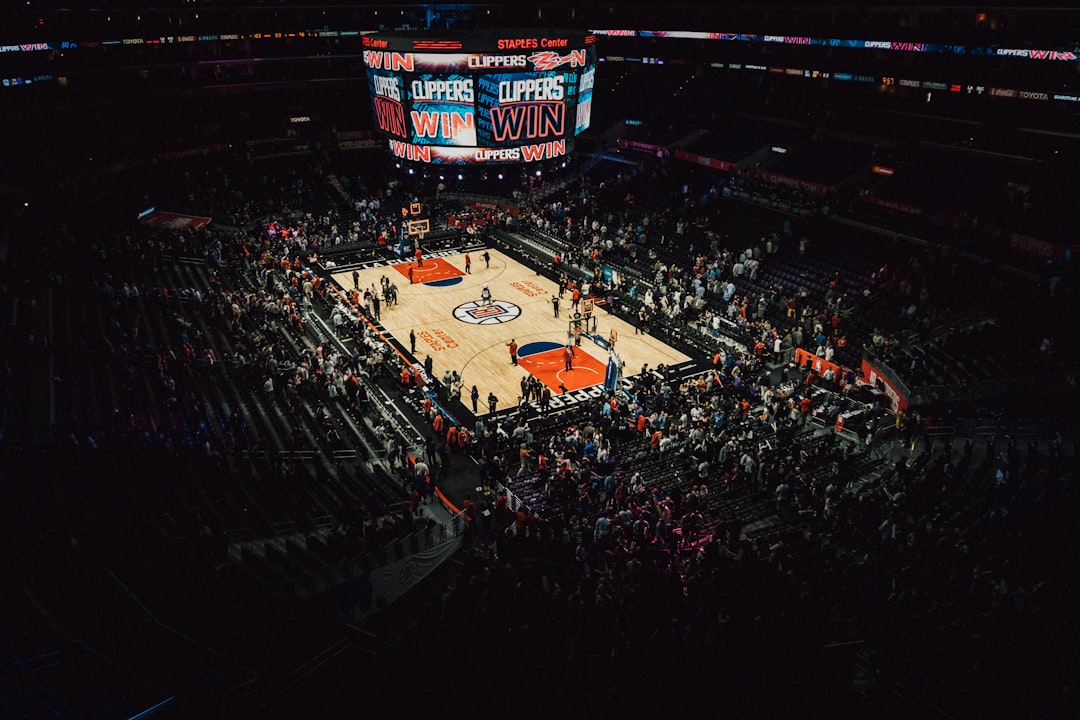
The buzz around the EuroLeague is louder than ever as the 2025–26 season approaches, signaling a thrilling new chapter in European basketball’s evolution. After years of speculation and tentative talks, the league is set to expand from 18 to 20 teams, introducing fresh markets, fresh energy, and a strategic vision that could reshape the continent’s basketball landscape. Notably, this growth doesn’t come with a radical overhaul of the format; instead, it builds on the solid foundation of the current competition structure while increasing the regular-season games from 34 to 38. Beyond just numbers, the lottery of licenses being handed out carries significant stories—from Israeli powerhouse Hapoel Tel Aviv grabbing a EuroCup champion’s license to Dubai Basketball making waves as the Middle East stakes its claim. Established clubs like Valencia Basket and Italian giant Virtus Bologna will continue under longer-term licenses, emphasizing stability. The anticipation is palpable as the EuroLeague gears up to maintain its top-tier status amidst challenges and opportunities posed by rival leagues such as the Basketball Champions League and FIBA. This expansion is more than just adding teams; it’s about extending the reach of basketball’s magic from cities like Istanbul and Belgrade to Dubai and Paris, backed by global brands like Adidas, Nike, Turkish Airlines, and Spalding. As the EuroLeague steps into a new era, fans and stakeholders alike are eager to witness how cross-league collaborations and fresh rivalries will ignite the court.
Strategic Growth: The EuroLeague’s Expansion to 20 Teams and Its Impact on European Basketball
The confirmation of the EuroLeague’s expansion from 18 to 20 teams introduces a pivotal moment in European basketball. This move, finalized following deliberations among shareholders, ensures a more diverse and vigorous competition, reflecting both ambition and adaptability. Contrary to early rumors indicating the league might maintain the status quo, the decision to increase the roster of teams arises from a deliberate strategy to amplify the league’s commercial appeal, fan engagement, and competitive depth.
The retention of the existing format—with 6 teams securing direct playoff berths and 4 advancing through a play-in tournament—ensures continuity while the regular season extends from 34 to 38 games. This subtle yet crucial change allows teams more exposure and fans more content without complicating the league’s structure. It reflects a balancing act: growing without alienating loyal followers accustomed to the current rhythm of competition.
Among the latest entrants, Hapoel Tel Aviv stands out as a direct result of winning the EuroCup, stepping in to fill the vacancy left by ALBA Berlin’s departure to the FIBA Basketball Champions League. The Israeli club’s acquisition of a one-year license underscores the league’s openness to rewarding success in parallel competitions. Meanwhile, Valencia Basket, a club with a rich tradition in European basketball, will operate under a three-year license alongside other staples like Partizan Belgrade, Crvena Zvezda, AS Monaco, and Virtus Bologna, each committed to stabilizing the league through longer-term partnerships.
Dubai Basketball’s inclusion is particularly notable. Embarking on a five-year agreement—a departure from the standard licensing term—Dubai represents a strategic expansion of not only the competition’s geographic footprint but also its commercial horizons. This move paves the way for new sponsorships and partnerships, particularly in regions previously untapped by EuroLeague’s influence. The presence of global sponsors such as Turkish Airlines, Adidas, and Nike gains even more relevance as the league embraces a truly cosmopolitan identity.
- Increase from 18 to 20 teams beginning 2025-26 season
- Regular season games extended from 34 to 38
- Maintenance of current competition format with playoffs and play-in tournament
- New entrants: Hapoel Tel Aviv (EuroCup champion), Valencia Basket, Dubai Basketball
- Three-year licenses awarded to established clubs, five-year contract for Dubai Basketball
| Team | Country/Region | License Duration | Notes |
|---|---|---|---|
| Hapoel Tel Aviv | Israel | 1 year | EuroCup Champion |
| Valencia Basket | Spain | 3 years | Stable EuroLeague presence |
| Dubai Basketball | United Arab Emirates | 5 years | Strategic Middle East entry |
| Partizan Belgrade | Serbia | 3 years | License stability for planning |
| Crvena Zvezda | Serbia | 3 years | Long-term license confirmed |
The league’s shareholding teams remain influential, emphasizing the desire for collaborative growth over fragmented competition with the Basketball Champions League or FIBA initiatives. The maintenance of the current format also avoids the divisional clashes and two-conference setups that could disrupt traditional rivalries and fan engagement. EuroLeague’s approach champions evolution, not revolution, but the ripple effects will be far-reaching, re-shaping basketball markets across Europe and beyond.
Cross-League Play: Challenges and Opportunities for EuroLeague and Global Basketball Ecosystems
The idea of cross-league play has perennially captivated basketball enthusiasts, envisioning a global stage where top clubs from various leagues battle beyond borders. The EuroLeague’s expansion invites a fresh perspective on how to integrate these grand ambitions with domestic and international calendars that already hustle with the NBA, EuroCup, Basketball Champions League, and FIBA competitions.
One of the key challenges in realizing cross-league play lies in harmonizing schedules and competitive priorities. The NBA’s rigorous 82-game regular season sets a demanding pace, making cross-continental matches a logistical puzzle. Meanwhile, the EuroLeague’s extension to 38 games, combined with expanded playoff formats, further compresses the calendar year and intensifies player workload. Despite these hurdles, the allure of matchups featuring NBA stars against Europe’s finest is undeniable, promising massive viewership and sponsorship potential.
Opportunities arise from strategic partnerships and shared commercial interests. The EuroLeague and NBA already enjoy a complex yet cooperative relationship, leveraging talent exchanges, preseason exhibitions, and marketing collaborations. Should cross-league play be formalized, it could trigger new broadcast deals and bring brands like Adidas, Nike, and Spalding into a blended spotlight, enhancing fan experience worldwide. For rising leagues such as the Basketball Champions League and FIBA tournaments, cooperating rather than competing could elevate the overall basketball ecosystem, giving players, fans, and sponsors richer narratives and a broader mix of competition.
- Negotiation of schedules to reduce conflicts between NBA and EuroLeague seasons
- Potential showcase games featuring NBA and EuroLeague teams
- Mutual benefits through shared brand partnerships and global broadcasting deals
- Greater player opportunities for exposure on international stages
- Cross-promotion boosting fan engagement across continents
| League | Regular Season Games | Playoff Format | Potential for Cross-League Play |
|---|---|---|---|
| EuroLeague | 38 | 6 direct playoff spots + 4 play-in | High, with negotiations ongoing |
| NBA | 82 | 16 playoff teams | Moderate, due to schedule intensity |
| Basketball Champions League | Variable | Knockout rounds | Emerging, with emphasis on collaboration |
| FIBA European Competitions | Variable | Knockout and group stages | Developing, often conflicted with others |
Examples abound at recent EuroLeague games where players like Nicolo Melli and Jerian Grant vocalize their belief in competing at the highest level, citing the league’s intensifying competitiveness and the dreams of matching NBA intensity. The powerful narratives fostered from teams like AS Monaco or Panathinaikos reflect basketball’s global tapestry woven through cross-continental play aspirations.
Licensing Models and Financial Strategies Behind the EuroLeague’s Expansion
The EuroLeague’s licensing system stands at the heart of its sustainable growth model. This multi-year license structure provides clubs with a blend of operational security and financial predictability, crucial elements in today’s professional basketball landscape. The recent issuance of one-year and three-year licenses, alongside Dubai’s unique five-year commitment, reflects a nuanced strategy balancing ambition with caution.
Long-term licenses like those granted to Partizan Belgrade, Crvena Zvezda, and Virtus Bologna offer clubs the stability needed to plan player acquisitions, develop youth programs, and engage sponsors. These licenses are a badge of confidence from the EuroLeague’s governing bodies, signaling that these teams are integral to the competition’s future.
On the flip side, one-year licenses, such as that allocated to Hapoel Tel Aviv, are a reward for performance while leaving room for evaluation. This model injects meritocracy into the system, encouraging clubs in feeder competitions like the EuroCup to continually strive for top results, fostering competitive balance.
Financially, the collapse of BC Panthers’ $300 million bid for a 30% stake points to the complexities and divergent visions among shareholders. While injection of capital is vital for growth, preserving club autonomy and league identity remains paramount. Stakeholders including global corporations—Adidas, Nike, Turkish Airlines, and Red Bull—play vital roles as sponsors and partners, underscoring basketball’s commercial ecosystem’s vibrancy and importance.
- Three-year licenses for established clubs ensure long-term planning
- One-year licenses reward EuroCup champions and merit-based entries
- Five-year license for Dubai Basketball marks strategic investment
- Rejected minority stake sale highlights governance dynamics
- Global sponsors play key roles in league financing and branding
| License Type | Duration | Purpose | Example Teams |
|---|---|---|---|
| Standard License | 3 years | Stability and growth | Valencia Basket, Partizan Belgrade, Virtus Bologna |
| Performance-Based License | 1 year | Awarded for EuroCup success | Hapoel Tel Aviv |
| Strategic License | 5 years | Market expansion and commercial growth | Dubai Basketball |
This licensing framework serves as a blueprint for future expansion phases, potentially paving the road for a 24-team league with conference splits. Each vote, negotiation, and sponsorship deal shapes that evolving blueprint, reflecting a basketball world ever more bound by money, passion, and global reach.

Market Dynamics and Global Brand Influence in EuroLeague’s Next Phase
The EuroLeague’s 2025 expansion injects fresh life into its market dynamics. Emerging markets like Dubai bring not only team participation but also a new audience and corporate interest. This shift is crucial in an era where basketball competes with soccer for viewpoints and sponsorships.
Paris Basketball’s potential one-year wildcard entry is a case study in cautious market testing. The French capital, pulsating with sports fans and corporate partners, could offer a ripe ground for evaluating EuroLeague’s resonance outside traditional strongholds. This measured approach ensures that expansion is sustainable and mindful of long-term fan engagement.
Global brands intertwined in basketball’s fabric—Adidas, Nike, Turkish Airlines, Spalding, and Red Bull—support this strategic vision through sponsorships, uniform deals, and multimedia campaigns that increase the league’s visibility. Their involvement elevates game-day atmospheres and connects the EuroLeague to a broader cultural movement.
- New markets expand geographic and commercial horizons
- Paris Basketball under consideration for a one-year wildcard license
- Brand partnerships with Adidas, Nike, Turkish Airlines, Spalding, Red Bull
- Broadcast and digital media growth increases global reach
- Fan engagement strategies tailored to emerging regions
| Market/Region | New Team | Market Potential | Brand Partnerships |
|---|---|---|---|
| Middle East | Dubai Basketball | High; untapped fanbase & sponsorship pools | Turkish Airlines, Nike |
| France | Paris Basketball (wildcard) | Emerging; competitive sports market | Adidas, Red Bull |
| Southern Europe | Valencia Basket | Established; passionate fanbase | Spalding, Turkish Airlines |
This evolving market approach does more than add teams; it reshapes how the EuroLeague and basketball culture are perceived globally. Fans can expect vibrant new rivalries, enriched broadcast experiences, and increased accessibility to basketball’s finest moments, reinforced by the energy of both legacy and rising sponsors.
Fan Impact and the Future of Basketball Rivalries in a Larger EuroLeague
Basketball thrives on the pulse of its fans, and the EuroLeague’s expansion sparks both excitement and questions about the future of storied rivalries and fan experiences. Adding new teams from diverse regions means new match-ups and potential classics that can stir fan passions and create new legends.
Fans of clubs like Partizan and Crvena Zvezda relish the continuation of traditional Serbian rivalries, now bolstered by formalized three-year licenses which give a sense of sustainability. At the same time, the presence of teams like Dubai Basketball and a potential Paris wildcard introduces fresh storylines. These new entrants represent more than just unknown competitors; they are gateways to vibrant new fan cultures and community engagement.
The rise in regular-season games also means more opportunities for fans to witness game-defining moments such as clutch shots, dunk contests, and the mad tactical chess matches that basketball purists adore. Players like Jerian Grant and Dinos Mitoglou embody this spirit, vowing to bring intensity and passion every time they step on the court.
- New teams bring fresh rivalries and geographic diversity
- Established fan bases retain traditional derby excitement
- More games provide increased courtside and broadcast action
- Players’ personal narratives deepen fan connection
- Enhanced social media and digital engagement fuel global fandom
| Club | Fan Base Profile | Rivalries | Engagement Opportunities |
|---|---|---|---|
| Partizan Belgrade | Passionate Serbian supporters | Crvena Zvezda derby | Expanded season for home/away excitement |
| Dubai Basketball | Emerging Middle Eastern basketball fans | Developing regional rivalries | Digital outreach and community events |
| Valencia Basket | Established loyal fanbase in Spain | Spanish domestic and European rivals | Enhanced broadcast coverage |
Ultimately, this expansion points toward a more vibrant, inclusive EuroLeague, where the game’s magnetic power energizes fans from multifaceted backgrounds. With industry stalwarts including Red Bull and Spalding backing the spectacle, the basketball scene in Europe is primed for milestones that celebrate both heritage and innovation.

Frequently Asked Questions about the EuroLeague Expansion and Cross-League Play
- Q: How will the EuroLeague expansion affect the regular season schedule?
A: The regular season will increase from 34 to 38 games, maintaining the same playoff structure, including six direct playoff spots and four play-in participants. - Q: Which new teams are joining the EuroLeague for the 2025–26 season?
A: Hapoel Tel Aviv (one-year license as EuroCup champions), Valencia Basket (three-year license), and Dubai Basketball (five-year strategic license), with Paris Basketball potentially joining on a one-year wildcard. - Q: Will the EuroLeague introduce a conference system with the new expanded format?
A: No. The league will retain its current single-league format without divisions or conferences for the 2025–26 season, though a 24-team expansion in future seasons may consider such changes. - Q: What is the EuroLeague’s relationship with other leagues like the NBA and Basketball Champions League?
A: The EuroLeague maintains a competitive yet cooperative relationship with the NBA and Basketball Champions League, exploring potential cross-league collaborations while managing scheduling challenges. - Q: How do the licensing models work for EuroLeague teams?
A: Clubs receive licenses for periods ranging from one to five years, balancing long-term stability (three-year licenses) with performance-based entries (one-year) and strategic market expansions (five-year).