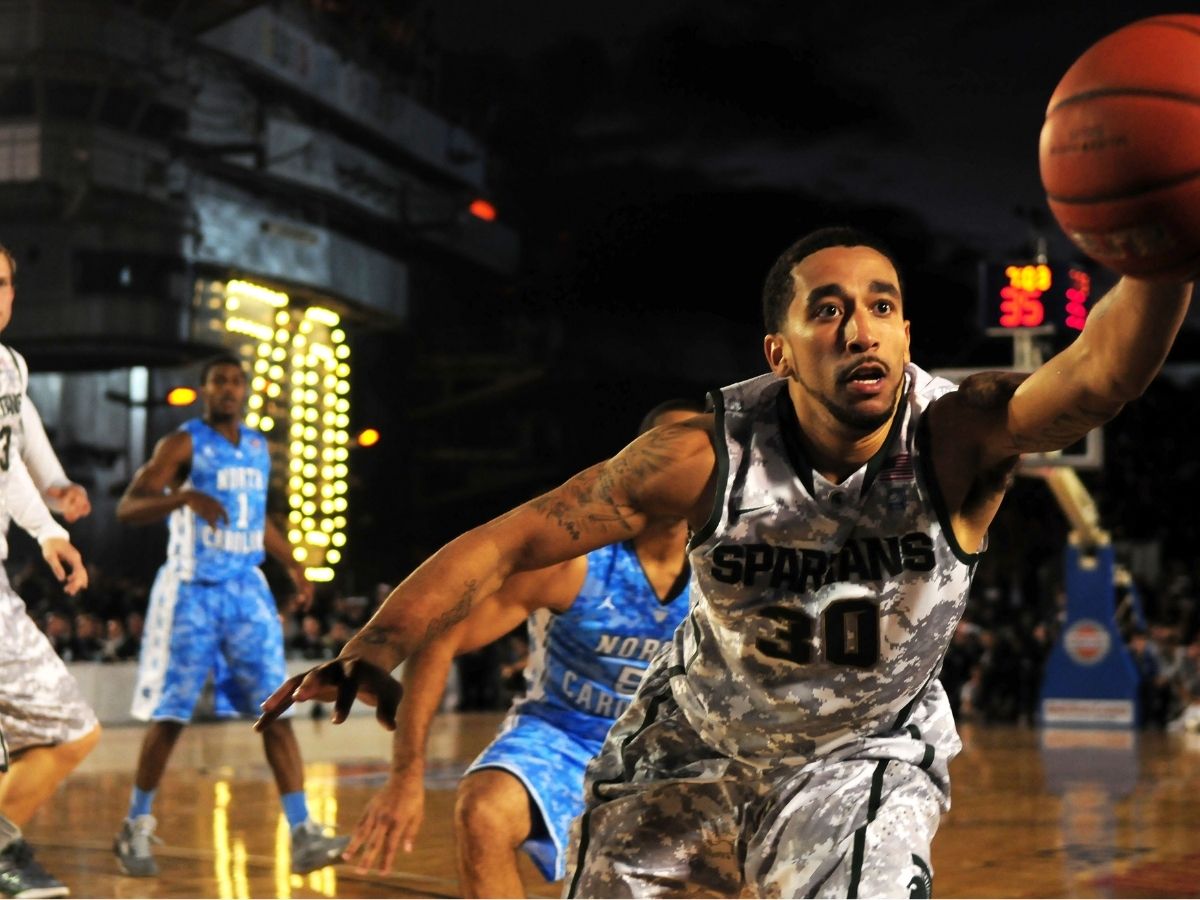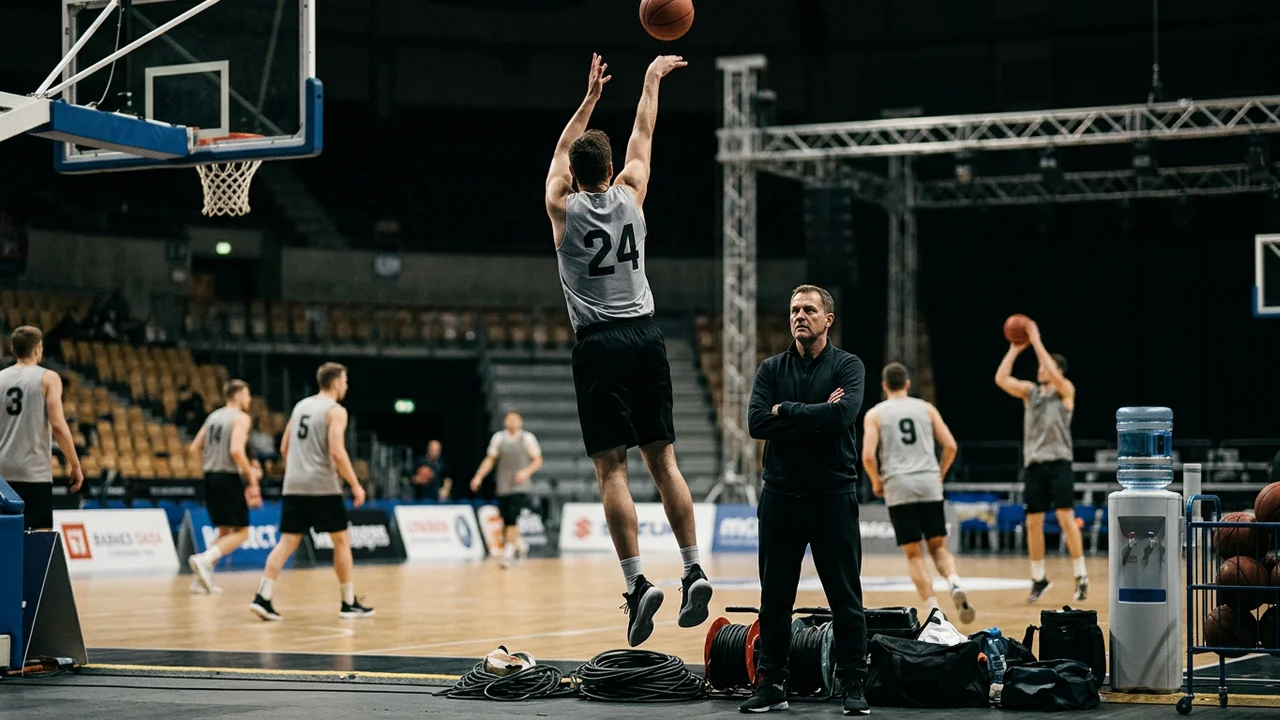
Alex Mumbru wasted no time putting Virtus Bologna’s crowd at the heart of his vision as head coach, calling it “the best atmosphere in Europe” after meeting around 500 supporters at Arcoveggio. His message, delivered ahead of the preseason game against Tortona in Parma, was clear: a young roster must fight for all 40 minutes and give everything in every game.
He’s not talking about points, defensive stats, or guarantees. Instead, Mumbru has set an effort standard, sustained intensity from tip-off to final buzzer, for a revamped group still learning each other’s tendencies.
Mumbru’s 40-minute target sets the baseline
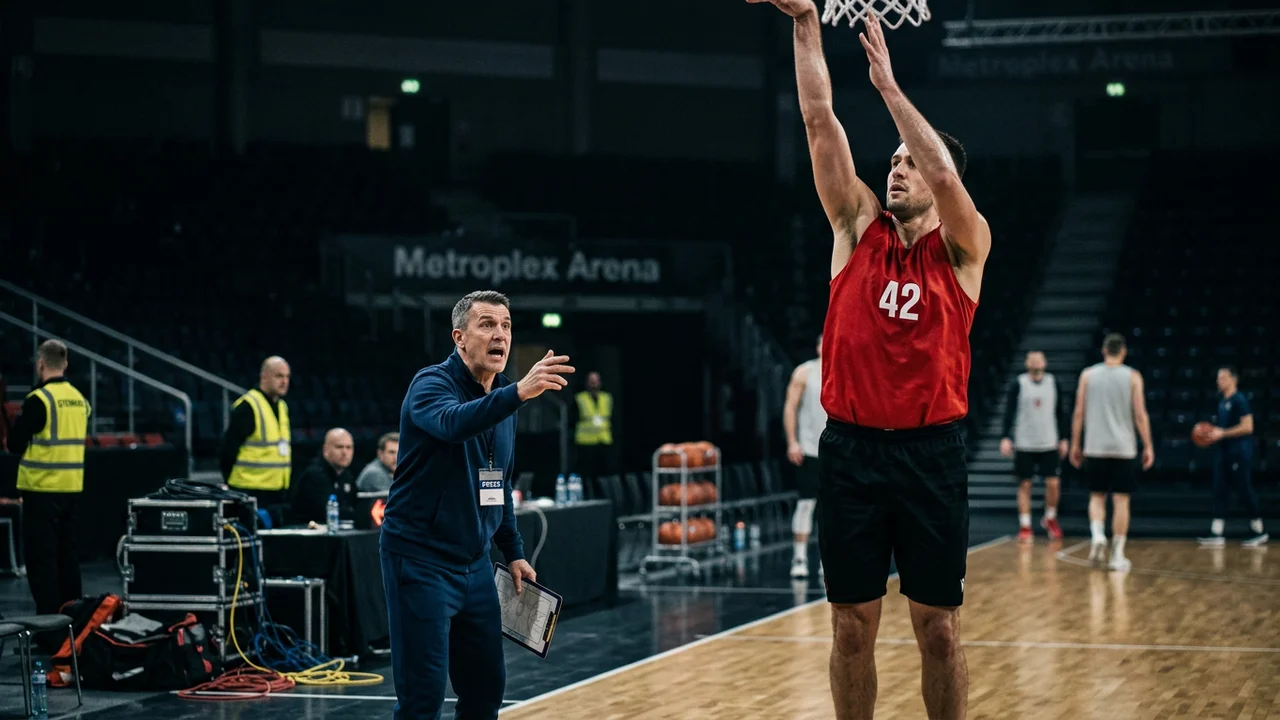
Mumbru had heard stories about Bologna’s atmosphere before arriving. Now, he’s seen it up close. That connection matters. The team’s first public appearance drew a crowd of roughly 500 for an outdoor preseason gathering, a turnout that signals the level of expectation surrounding a club entering the season with a younger, heavily renewed group. It’s not a measure of on-court quality, but it’s a snapshot of the environment Mumbru expects to surround his players.
“We are really excited to be here, with the best atmosphere in Europe,” Mumbru told Corriere dello Sport-Stadio. “We are a young team, but we will fight for 40 minutes in every game and always give our best.”
That 40-minute mantra isn’t just a rallying cry. For a young team still sorting out roles, spacing, and decision-making, volatility is a given. Mumbru’s goal isn’t just to spark energetic stretches. He wants the fight to last through every momentum swing, from the opening tip to the closing seconds.
Virtus captain Daniel Hackett took it a step further, promising the group would “fight and die on the court” for its supporters. With both coach and captain aligned, Virtus is staking its identity on competitive output. For Mumbru, having his message echoed by a senior leader gives it extra weight.
Pace and versatility offer clues to Mumbru’s system
Momo Diouf offered the most direct hint at Mumbru’s tactical approach, describing a fast-paced system. Playing with pace isn’t just about running the break. It means pushing the ball, scrambling back on defense, and sustaining execution even when possessions get messy, especially for players still learning each other’s games.
Wendell Moore Jr. called himself a versatile player who can shoot, finish at the rim, and operate in the pick-and-roll. Those skills hint at the variety within Mumbru’s system, the kind of attributes highlighted in basketball scouting reports. Shooting stretches the floor, rim attacks force defensive rotations, and pick-and-rolls create mismatches. The challenge: turning those individual tools into a cohesive, reliable attack.
Marcus Carr said he joined Virtus to compete at a high level and help the club achieve its goals. Francesco Ferrari, meanwhile, pointed to chemistry as the most important need in his first real season in Serie A and the EuroLeague. Ferrari’s point underscores why Mumbru keeps hammering effort. Chemistry isn’t just about familiarity, it shapes passing angles, defensive coverage, and the speed at which a team can flow from one action to the next.
Kalifa Sakho, the French-Guinean center born in 2001, will be available in practice until September 30. Sakho, who arrived from the University of Houston, is covering for the injured Kevin Kokila and gives Mumbru another big body during preseason.
Now, the first public test is set. Mumbru must turn Arcoveggio’s energy into a team that can maintain pace, cohesion, and competitive resistance for every one of the 40 minutes he’s promised.