Defensive footwork in basketball is more than just a fundamental skill; it’s the cornerstone of effective on-ball defense. Whether it’s a heated NBA playoff game or an intense streetball showdown, mastering the defensive footwork reset can turn the tables on even the most explosive offensive players. This technique hinges on the ability to stay in front of the ball handler, maintain position without reaching recklessly, and avoid costly fouls. At its heart, the defensive footwork reset is an art form that blends agility, timing, and spatial awareness.
Understanding how to execute a footwork reset during defensive moments is crucial — it’s what allows defenders to recover, reposition, and anticipate their opponents’ next move. From the snap of a closeout technique to maintaining a solid defensive stance through quick foot placement adjustments, each move helps preserve the defender’s integrity on the court. In high-pressure scenarios, such as clutch time moments where every possession counts, the ability to reset footwork crisply often distinguishes defensive specialists who influence games on both ends from those who fall prey to fouls or defensive breakdowns.
Key points to understand about defensive footwork reset:
- Instantaneous adjustments in foot positioning allow defenders to stay in front without lunging or reaching.
- Maintaining a balanced defensive stance is critical to reacting effectively to offensive maneuvers.
- Proper footwork reset reduces foul calls, keeping defenders aggressive but legal.
- Integrating footwork reset into closeout techniques improves contesting shots without compromising defense.
- Consistent practice of the reset increases a player’s ability to maintain position under fatigue and pressure.
Mastering the Fundamentals of Defensive Footwork Reset
At the base of any successful basketball defense lies impeccable footwork. The defensive footwork reset is fundamentally an adjustment phase — a moment when the defender must recalibrate their stance and position after an initial movement, whether closing out or chasing a drive. This reset is essential because it allows defenders to stay balanced, avoid overcommitting, and prepare for the next offensive action.
To truly master this, a defender must first understand the principles of a proper defensive stance. It starts with bent knees for quick reactions, weight evenly balanced on the balls of the feet, and hands actively positioned for contesting. As the ball handler probes and shifts directions, the defender’s initial response should be to slide feet laterally rather than crossing over. This lateral movement is where the footwork reset comes alive — shuffling the feet back into a ready stance instead of reaching forward which can lead to fouls.
What separates elite defenders is their ability to time this reset perfectly. Instead of panicking when the offensive player accelerates or changes pace, these defenders recognize the need to momentarily slow their lateral movement, *reset* their foot placement, and regain control. This subtle but powerful pause allows the defender to stay in front and compel the offensive player to think twice.
An iconic example comes from the way NBA defensive specialists intercept drives not by diving after the ball but by skillfully using a footwork reset to force tough angles or contain with their body. This technique isn’t limited to professionals—high-level youth programs and college teams also drill this relentlessly, acknowledging that solid footwork creates an unbreakable defensive foundation.
Exploring top defensive specialists’ impact reveals how players with refined footwork resets control the game without resorting to fouling or reckless plays. Equally, understanding these fundamentals brings the magic of basketball defense to every fan’s appreciation and every player’s game.
Staying in Front: The Crucial Role of Foot Placement and Balance
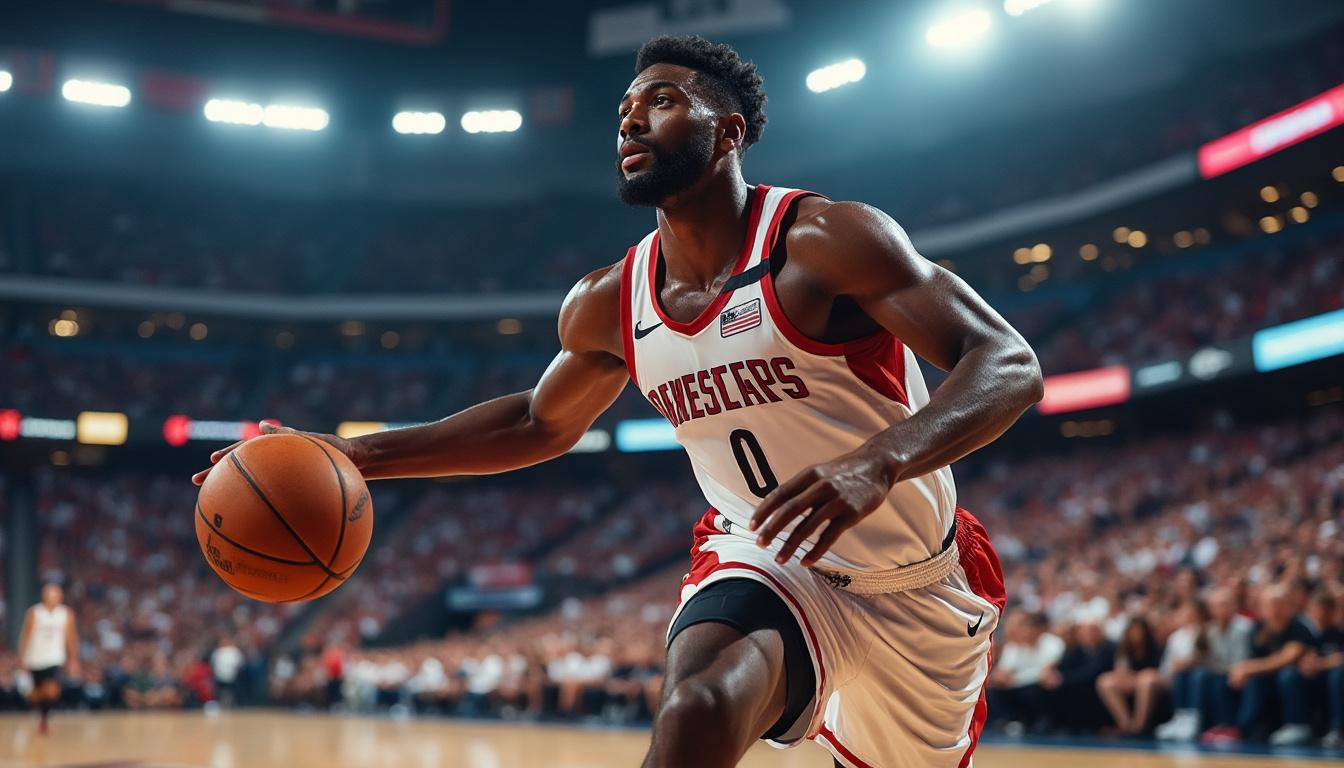
Constructing a defensive wall requires more than just raw speed — it demands surgical precision in foot placement and balance. The cornerstone of staying in front during on-ball defense lies in the footwear dance that keeps defenders aligned with their opponent’s path. If feet lag or overstep, the opportunity to contain the ball handler evaporates, frequently leading to driving lanes or foul trouble.
Strategic foot placement means planting feet slightly wider than shoulder-width apart to create a stable base without sacrificing mobility. This stance allows defenders to slide smoothly — a technique crucial during a quick closeout or when shifting to respond to crossover dribbles. The moment when a defender resets footwork usually involves a micro-step backward or laterally; this subtle action re-centers balance and recalibrates body angle in relation to the ball handler.
Balance isn’t static; it’s dynamic and must be maintained through constantly adapting foot pressure. For example, weight should stay on the balls of the feet to facilitate quick direction change rather than on heels which delay reaction times. With this setup, the defender can leverage their body to corral the attacker towards less threatening zones on the court.
This choreography becomes vital when executing a closeout technique, where the defender needs to sprint up on a shooter or ball carrier and then summon their defensive stance instantly. Proper foot placement during the footwork reset here minimizes fouling, enabling the defender to challenge shots aggressively. Missteps in this phase frequently lead to offensive players blowing by defenders or drawing fouls on reckless reach-ins.
Incorporating the dynamics of foot placement and balance is well-documented in training drills and footage exploring shooting drills focusing on rhythm and balance, proving how much of basketball hinges on the dancer’s poise on their feet — defenders, especially, are no exception.
How to Avoid Fouling While Maintaining Aggressive Defense
Nothing swings momentum faster than a defensive foul — especially in close games or crunch time. Yet, defenders must remain aggressive to truly disrupt offensive flow. The secret lies in mastering footwork reset combined with intelligent positioning to avoid reaching, lunging, or hand-checking in ways that invite whistle calls.
Reaching excessively often happens when defenders try to snatch the ball but lose sight of foot placement, causing them to overextend. This mistake opens the door to shooting fouls or easy drives. The footwork reset is the defense’s safety net here: by resetting, the defender refrains from sprawling and regains a lower, balanced position, ready to contest without fouling.
Also essential is the concept of *maintain position*. Defensive players should think of their role as moving laterally to shadow the offensive player without crossing their feet or stepping into restricted paths. This approach minimizes body contact yet keeps enough pressure to force errant passes or uncomfortable shots.
Veteran defenders often use their body judiciously, maintaining a close but legal presence by leveraging foot placement and subtle hand positioning rather than aggressive grabs or reach-arounds. This control is especially imperative as referees continue emphasizing less tolerance toward excessive contact in modern basketball, following trends noted in the latest defensive and clutch time analyses.
Training to avoid fouling also includes situational drills that mimic game speed and pressure, helping players build muscle memory for ideal foot resets in tight windows. This practice also teaches the psychological element — staying calm and trusting footwork instead of panicking to steal the ball at all costs — a difference makers at all levels.
Drills and Practices to Perfect Defensive Footwork Reset
Improving defensive footwork reset demands deliberate practice tailored to build habits and reaction speed. Coaches and players focus on a range of drills that condition the feet, promote quick recoveries, and ensure body positioning stays optimal.
Some effective drills include:
- Lateral slide cone drills: Players shuffle side to side between cones, emphasizing quick stops and resets at each cone. This mimics quick foot repositioning in defensive play.
- Closeout and recover drills: Sprinting to close out a shooter, then retreating quickly to reset defensive stance simulates real-game challenges of maintaining position without fouling.
- Mirror drills with a partner: Reacting to a partner’s unpredictable movements builds the reactive footwork crucial for staying in front.
- Jump-stop and reset drills: Practicing planting the feet under control after a defensive slide encourages stability and balanced positioning.
- Court zigzag drills: Moving in zigzag patterns while maintaining defensive form teaches controlled adjustments and repeated footwork resets.
Alongside these drills, watching and analyzing defensive specialists who excel in footwork reset can deepen understanding. For instance, programs focusing on defensive impact in 2025 emphasize footwork precision and controlled aggression, showcasing how defensive mastery often defines championship-caliber teams.
Here’s a brief breakdown of the typical defensive footwork reset sequence:
| Step | Action | Objective |
|---|---|---|
| 1 | Initial closeout or lateral slide | Approach ball handler while maintaining balance |
| 2 | Micro-step back or lateral | Reset foot placement under control |
| 3 | Stabilize in defensive stance | Prepare for next move, maintain position |
| 4 | Use hands actively but legally | Contest shot or pass without fouling |
The beauty of these sequences lies in their rhythm and fluidity. Successful defenders become almost like dancers—resetting footwork to the beat of the game, effortlessly staying in front to frustrate opponents.
The Emotional and Tactical Edge of Defensive Footwork Reset in High-Stakes Games
Beyond the mechanics, the defensive footwork reset carries a psychological and tactical impact that resonates deeply during high-stakes moments. When the clock ticks down and championship aspirations hang in the balance, the ability to maintain position without fouling can be the difference between victory and heartbreak.
Defenders who excel at footwork reset not only deny easy scoring chances but also send a message: they are locked in, disciplined, and mentally unyielding. This intensity can rattle offensive players who rely on drawing fouls or exploiting defensive lapses. Strategically, teams that prioritize defensive footwork put pressure on opponents to take contested shots or force risky passes rather than effortlessly driving to the basket.
The impact of this approach is evident in the narratives emerging from current basketball smart analyses, where defensive consistency drives winning streaks and shapes MVP race outcomes each season. Understanding the defensive footwork reset also enriches fan appreciation, revealing the layers of skill and commitment behind every gritty defensive possession.
In many ways, the footwork reset embodies what basketball defense truly demands: a blend of physical agility, mental toughness, and relentless passion. Coaches often emphasize that championships are won more on preventing points than scoring them. Defensive footwork reset is the foundation stone upon which these victories are built.
What is the main purpose of a defensive footwork reset?
The defensive footwork reset allows defenders to reposition and maintain a balanced stance after an initial movement, helping them stay in front of the offensive player without reaching or fouling.
How does proper foot placement help avoid fouling?
Proper foot placement keeps defenders balanced and mobile, enabling them to contest shots and guard without overextending their reach, which reduces the likelihood of committing fouls.
Can footwork reset drills improve game-time defense?
Yes, regular practice of footwork reset drills enhances reaction speed, positioning, and balance, translating into more effective on-ball defense in real games.
Why is maintaining position important in basketball defense?
Maintaining position helps defenders contain offensive players, forcing them into difficult scoring options or passes without drawing fouls or losing control.
How do referees influence defensive footwork and fouling?
Referees’ strictness on contact emphasizes the need for defenders to rely on clean footwork resets and positioning to avoid fouls while playing aggressive defense.