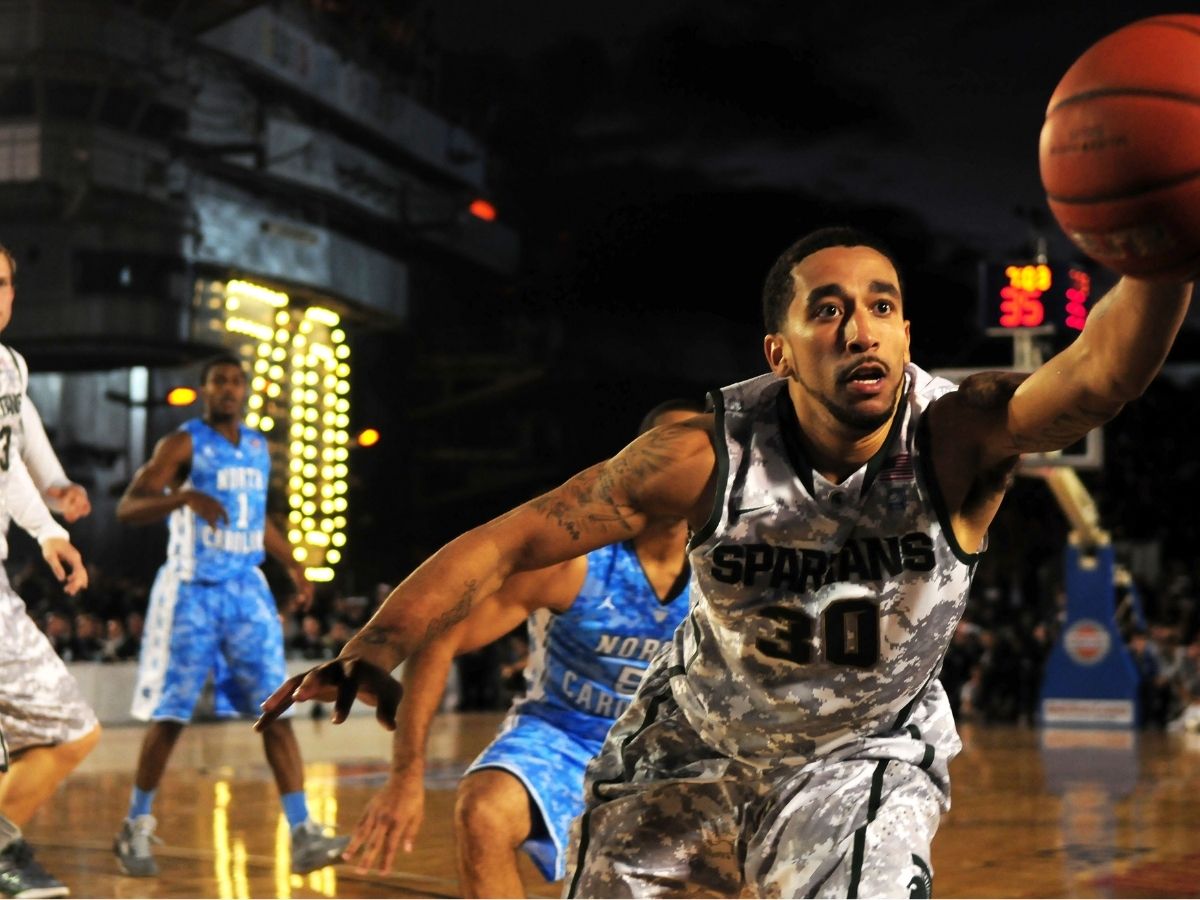
As the 2025-26 NBA season gains momentum, the league is witnessing a breathtaking surge in shooting efficiency, transforming the way teams perform and how games are decided under pressure. This unprecedented offensive productivity is evident through historic shooting percentages and a refined shot selection strategy that emphasizes maximizing scoring opportunities at the right moment. Teams like the Denver Nuggets, Los Angeles Lakers, and Milwaukee Bucks have emerged as prime examples of squads peaking with remarkable timing, orchestrating their shooting performance to captivate fans and dominate opponents. The evolving basketball analytics landscape reveals how these powerhouses exploit shooting trends, hone their clutch shooting abilities, and manage player form to sustain peak performance when the stakes are highest.
Understanding these shooting efficiency trends unlocks insights into which teams are truly hitting their stride at just the right time, especially as postseason aspirations intensify. The balancing act between statistical analysis and real-time momentum underscores the profound impact of game timing on team success. This season’s shooting data not only reflects improved individual skill sets but also the collective prowess of squads adapting to a basketball environment that increasingly rewards precision and smart shot selection. With every game, fans can sense the shifting tides—teams with early-season struggles now emerging as late-stage contenders due to their sharpening shooting efficiency.
Below are key takeaways that highlight where the league stands in shooting dynamics this season, and which teams exhibit the signs of peaking at the crucial phase of competition:
- The league-wide rise in offensive efficiency pacing toward new historical highs.
- Differing shooting styles propelling top teams to record-setting performances.
- Individual player form aligning with team shooting trends to foster success.
- The strategic role of clutch shooting in determining game-changers and momentum.
- Emerging statistical analysis tools that track and forecast team shooting peaks.
Historic Shooting Efficiency: A Statistical Revolution in NBA Team Peaks
The 2025-26 NBA season stands on the brink of recording the highest offensive efficiency rating ever, with the league overall pacing at an astonishing 115.7 points per 100 possessions. This metric, representing the value of an average shot across all teams, signals a revolution in basketball’s offensive approach. Statistical analysis demonstrates that this surge isn’t incidental but the outcome of years of evolutionary adaptations in shot selection and precision.
At the forefront of this trend are the Denver Nuggets, Los Angeles Lakers, and Milwaukee Bucks, each leading the league in unprecedented shooting efficiency though via distinct pathways. These teams exemplify how basketball analytics can dissect trends, player form, and tactical adjustments to maximize scoring aligned perfectly with game timing. The Nuggets, for example, exhibit remarkable balance by excelling in both 3-point and 2-point shooting efforts, registering top-tier performance in a decade-long dataset encompassing 390 unique NBA teams.
Denver’s Nikola Jokic epitomizes peak performance with a stunning 70 percent efficiency on 2-pointers and 44 percent on 3-pointers, supported by teammates shooting above 39 percent from beyond the arc. This combination turned the team from a low-ranked 3-point shooting squad last season to a formidable 16th place in attempts, illustrating the power of player form impacting team shooting trends. The Nuggets’ record-setting 2-point efficiency translates to nearly 1.22 points per shot, a figure only matched by the Lakers in this season’s data.
Such trends underscore the importance of timing in shooting efficiency, where teams adjust their game rhythm and shot selection to peak offensively at strategic moments. With comprehensive shooting form tracking becoming standard among teams, management of player fitness and technical fine-tuning directly correlates with performance trends seen on the court. These refined metrics not only shape coaching decisions but invite fans to appreciate the nuanced dance of momentum and clutch shooting that defines elite basketball today.
Distinct Shooting Styles Driving Team Success in the Quest for Peak Performance
The landscape of basketball shooting has shifted fundamentally, as some teams establish dominance through high-volume precision from deep, while others capitalize on interior scoring and assist-driven plays. The Los Angeles Lakers, for instance, showcase a different mantra than Denver’s balanced attack, focusing overwhelmingly on inside-the-paint efficiency and minimal reliance on three-pointers. Their 2-point shooting efficiency currently stands as the highest recorded in the player-tracking era, driven largely by the trio of Luka Doncic, Austin Reaves, and Deandre Ayton.
Ayton’s role as a primary finish under the basket has unlocked layers of offensive synergy, with Doncic and Reaves launching their most efficient 2-point seasons simultaneously. This unity represents a compelling synergy where individual player form elevates team shooting rhythms and builds unstoppable momentum. Such inside scoring prowess can dictate game timing dramatically, forcing opposing defenses to collapse and opening opportunities for clutch shooting in crunch moments.
Contrastingly, the Milwaukee Bucks have fully embraced an efficient jump-shooting game sparked by Giannis Antetokounmpo’s supreme playmaking. Although Giannis himself is not a prolific 3-point shooter, his uncanny ability to create open shots for teammates has elevated the Bucks to the league’s top spot in catch-and-shoot efficiency. This strategic approach exemplifies how basketball analytics integrate player form and tactical patterns to harness the momentum necessary for team peaks.
Adding context, Milwaukee’s 10.8 three-point attempts per game directly stem from Giannis’s passes, with teammates profiting from a 45 percent shooting conversion in these assisted attempts. Despite impressive statistics, analysts warn that some superheated shooting percentages, particularly in catch-and-shoot category, suggest moments of overperformance that may regress, underscoring the delicate balance between skill and luck in peak performance.
Examples of How Shooting Styles Influence Momentum and Performance Trends:
- Denver Nuggets: Balanced 2-point and 3-point prowess, anchored by Jokic’s versatile shooting.
- Los Angeles Lakers: Dominance in paint shots and strong assist-to-score connections catalyze peak moments.
- Milwaukee Bucks: Efficient jump-shooting supported by elite creation of open looks through Giannis’s vision.
Such variations in strategy reveal why tactical patterns in basketball have become a crucial aspect of team success, emphasized further in studies on basketball tactical patterns and defensive strategy impacting shooting dynamics and moment-to-moment performance.
Player Form and Shooting Mechanics: The Cornerstone of Sustained Peak Efficiency
One cannot overstate the role of consistent player form and shooting mechanics in sustaining high shooting efficiency. This season, advancements in tracking shooting form have allowed teams to identify subtle declines or spikes in player performance, ensuring adjustments are made before slumps hinder team momentum. Resources such as the shooting form tracker and shooting mechanics update provide coaches with detailed insights into every player’s technical consistency.
For example, the explosive efficiency of veterans like AJ Green (49 percent from three) and Bobby Portis (47 percent) is not merely chance but a product of refined technique and form maintenance. Conversely, teams like the Indiana Pacers suffer from poor shooting efficiency both inside the paint and beyond, which traces back to inconsistent form and insufficient shot quality—issues compounded by injuries and roster depth challenges.
Maintaining peak performance requires a holistic approach blending biomechanics, mental toughness, and strategic shot selection to optimize shot quality. The nexus of these elements is visible in how elite teams manage practice loads, player health, and in-game shot distribution to preserve shooting efficiency as the season progresses. Such data-driven player development techniques are reshaping basketball’s fabric and enhancing competitive balance.
Key factors influencing shooting form and efficiency include:
- Regular monitoring of shooting mechanics to prevent mechanical breakdowns.
- Player conditioning and injury prevention to sustain high-performance levels.
- Shot selection analytics to maximize high-quality opportunities.
- Mental preparation for clutch shooting to thrive under pressure.
- Team dynamics enabling coordinated offensive flow and open looks.
In 2025, these insights prove pivotal, especially as teams jockey for playoff positioning, demonstrating how basketball analytics drive continuous improvement from the practice court to live game environments.
Clutch Shooting and Game Timing: How Teams Exploit Momentum to Peak at the Right Moment
Clutch shooting—in the moments when every point counts—distinguishes good teams from championship contenders. The 2025-26 season illuminates how the orchestration of momentum, player form, and shooting tactics converge in these pressure-packed junctures. Teams that thrive in clutch scenarios leverage statistical insights into shot quality and player confidence to deliver under duress.
For instance, Milwaukee Bucks’ offensive rating skyrockets with Giannis Antetokounmpo on the floor, with the team scoring at a rate surpassing even the elite Denver Nuggets. Conversely, their efficiency plummets without him, highlighting how one player’s presence and playmaking can dynamically shift game momentum and shooting outcomes. This fluctuation emphasizes the critical role of player form and timely shot execution in peak performance.
Likewise, the Boston Celtics have embraced a strategy emphasizing jump-shooting volume and midrange shots, adapting to evolving game dynamics under coach Joe Mazzulla. By increasing 2-point jumper attempts significantly this season, fueled by Jaylen Brown’s improved shot-making, they sustain offensive rhythm and generate moments of explosive scoring, vital for shifts in game timing.
These clutch moments and tactical shot choices often determine playoff fates. Fans witness firsthand how basketball analytics pinpoint the moments when teams are primed to take advantage of an opponent’s lapse or seize momentum for critical runs. Understanding this interplay provides a richer appreciation for the rhythm and drama that only basketball can deliver.
Emerging Shooting Efficiency Trends Across the League: Teams Climbing and Falling in 2025
While some teams reach new heights in shooting efficiency, others struggle to keep pace, exposing the stark differences shaping the league’s competitive landscape. The Indiana Pacers represent a team currently on academic probation in shooting, registering the lowest jump-shot and paint efficiency, correlating directly with a disappointing 4-16 start. In contrast, the Orlando Magic exploit a powerful interior offense to compensate for their lackluster jump-shooting, ranking ninth overall in offense despite ranking near the bottom in shooting from range.
The following table highlights selected teams’ shooting efficiency metrics as of the latest data this season:
| Team | 2-Point Efficiency (points/shot) | 3-Point Shooting % | 3-Point Attempts Per Game | Overall Offensive Rating |
|---|---|---|---|---|
| Denver Nuggets | 1.22 | 39%+ | 16th rank | Record Pace |
| Los Angeles Lakers | Best ever (~top 1) | 20th rank | Low | High |
| Milwaukee Bucks | Above average | 45% (catch-and-shoot) | 10.8 | Top tier |
| Boston Celtics | Rising (midrange emphasis) | High (45 triple rate) | 2nd in 3-point attempts | Strong |
| Indiana Pacers | Lowest | Low | Low attempts | 4-16 record |
| Orlando Magic | Strong (paint) | 28th rank | Low | 9th (overall offense) |
This broad spectrum highlights how shooting efficiency trends correlate directly with team success and playoff hopes this season. Fans eager to track how MVP race contenders affect these dynamics will find endless intrigue in this shifting hierarchy.
As the season progresses, continuous updates in shot quality and efficiency metrics will remain pivotal for teams and analysts alike, signaling which franchises are truly peaking at the right moment.
What is shooting efficiency, and why is it crucial?
Shooting efficiency measures the points scored per shot taken, considering factors like 2-point and 3-point shots. It is crucial because it reflects a team’s ability to maximize scoring opportunities, which directly influences game outcomes and overall team performance.
How do teams use basketball analytics to identify performance trends?
Teams utilize basketball analytics to track detailed shooting metrics, player form, and shot quality over time. These insights help in adjusting strategies, optimizing player roles, and managing game timing to achieve peak shooting performance at decisive moments.
Which teams are currently peaking in shooting efficiency this season?
As of the 2025-26 NBA season, the Denver Nuggets, Los Angeles Lakers, and Milwaukee Bucks stand out as teams peaking in shooting efficiency, though each employs distinct styles to reach their peak performance.
Why is clutch shooting important in basketball?
Clutch shooting happens during critical moments of the game and can swing momentum drastically. Teams that excel in clutch shooting often convert high-pressure opportunities, which can be the difference between winning and losing tight contests.
Can shooting efficiency be sustained throughout a season?
Sustaining shooting efficiency requires consistent player form, proper mechanics, and strategic shot selection. While moments of overperformance due to luck can occur, teams that focus on fundamentals and analytics are better positioned to maintain efficiency over the long term.